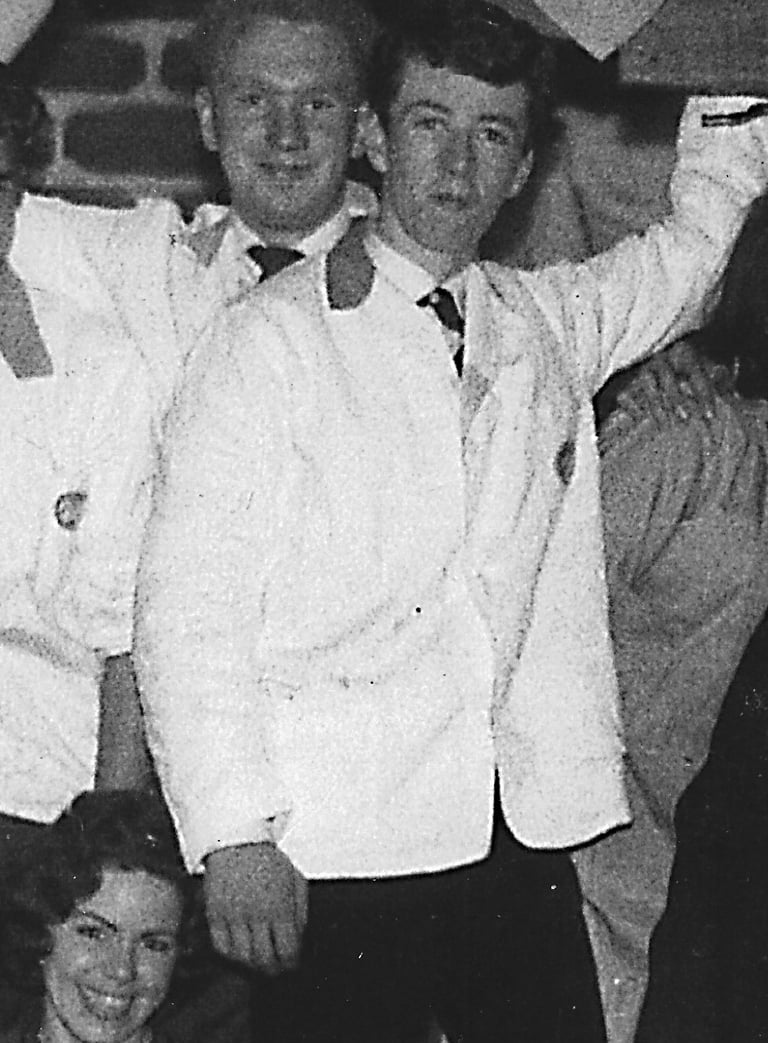
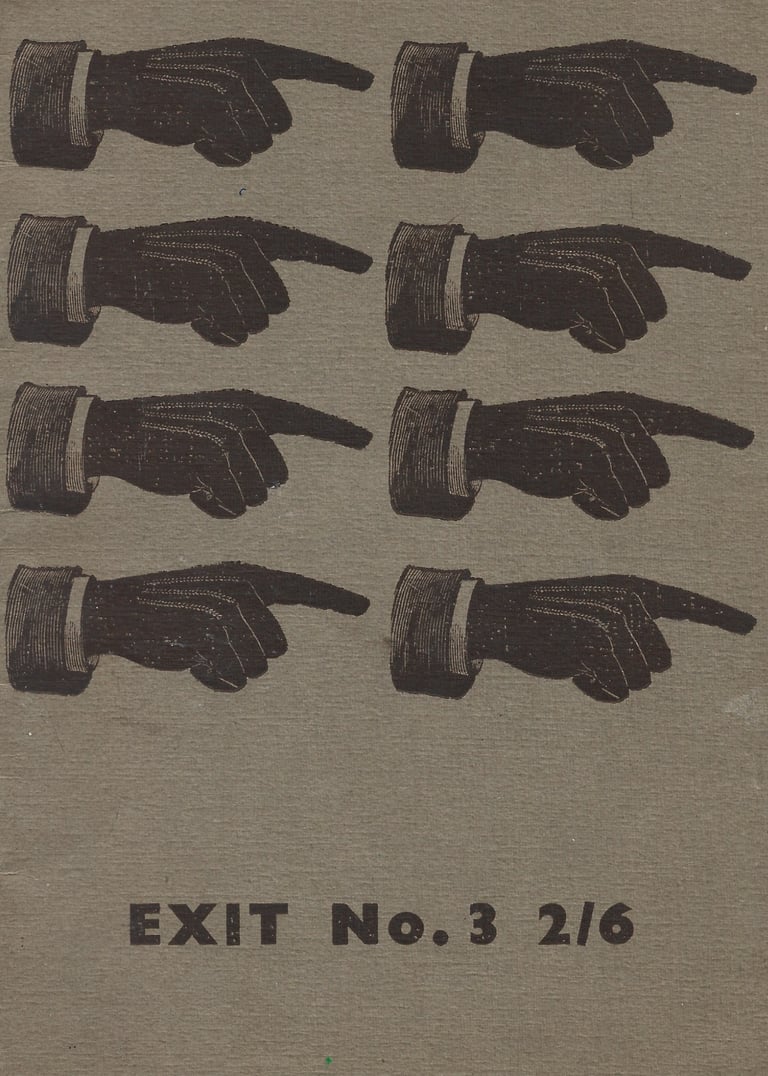
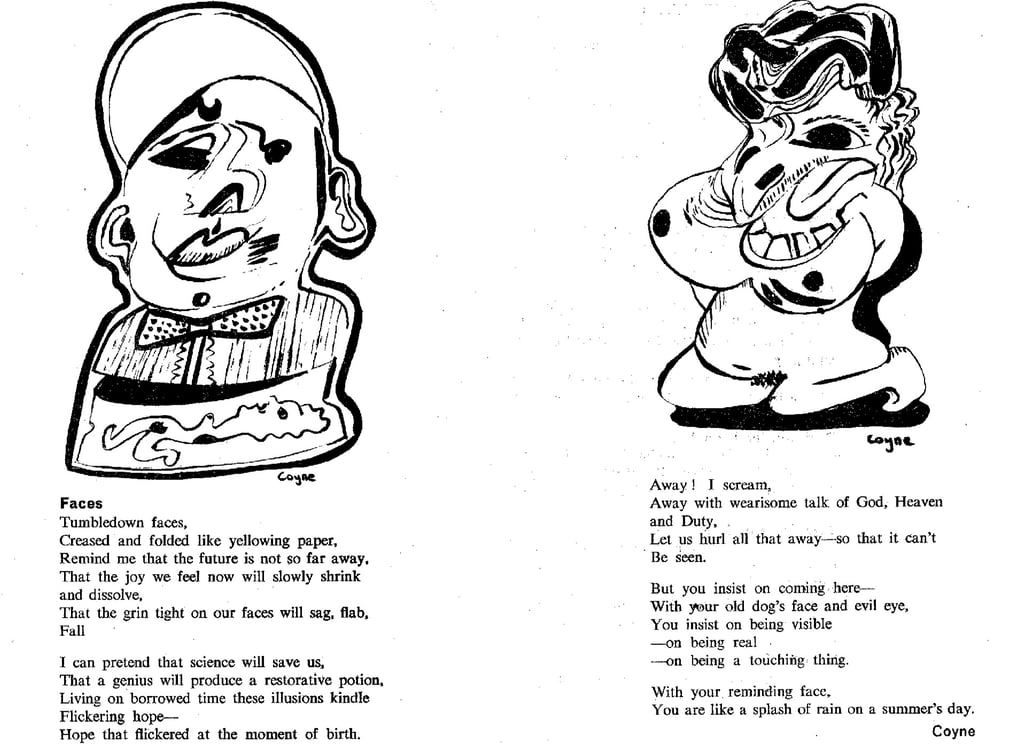
Kevin Coyne was a fellow student and Andy Kershaw described him as "A national treasure who keeps getting better". We printed this early Coyne poetry-and-drawings book before he achieved recognition.
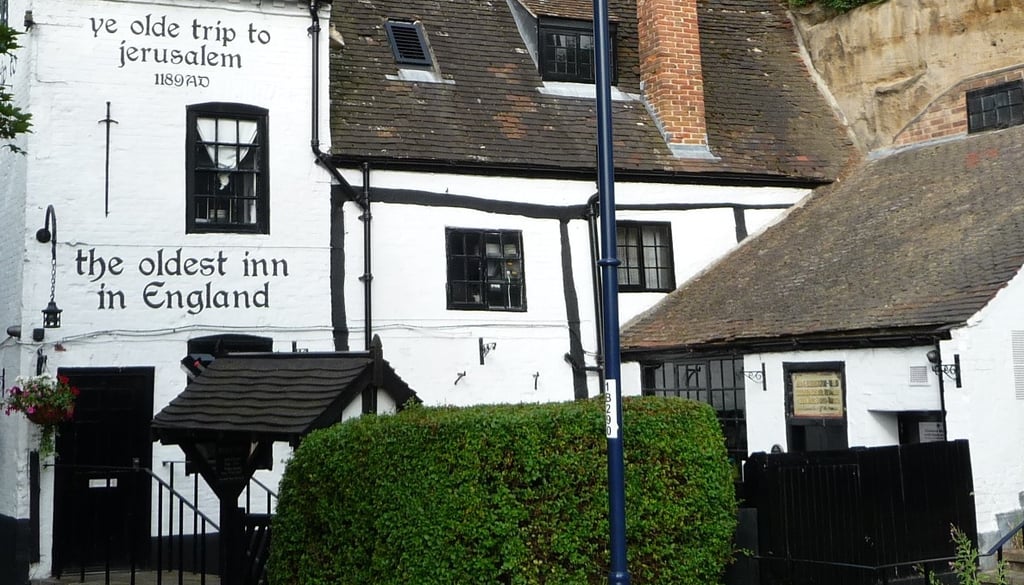
My first brief employment was as a junior designer in a Nottingham "Advertising Agency", though I found the local hostelries and their history far more interesting.
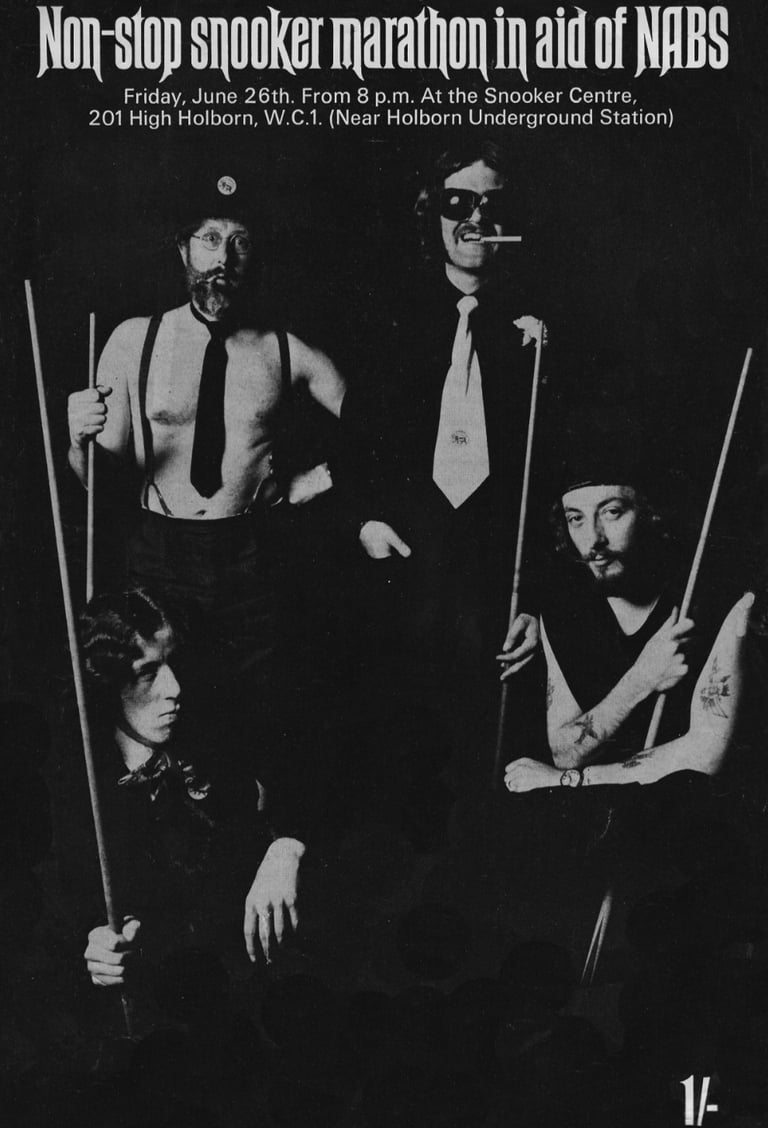
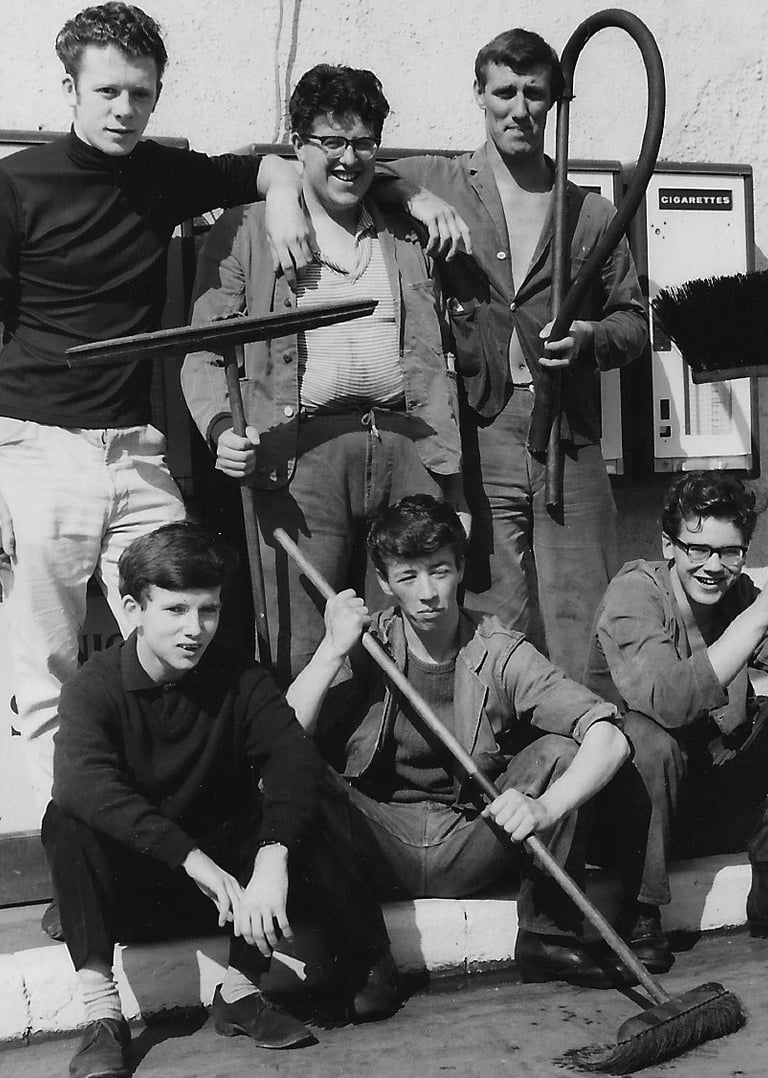
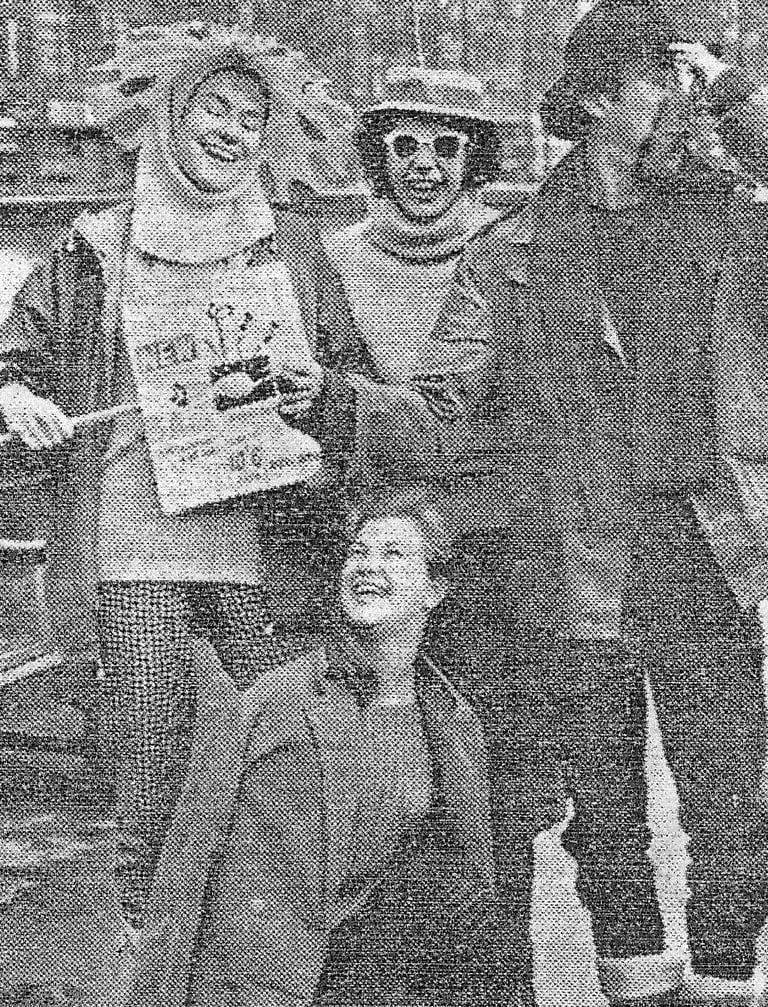
Within a year, I headed to London and was hired as an Art Director, tripling my previous salary. The photograph taken by Jeanie features me with three colleagues limbering up for the challenge to raise funds for the National Advertising Benevolent Society. We got generous support from the Milk Marketing Board and Noel Edmonds, who personally chauffeured us in his Mini Cooper to the BBC studios for an interview following the 24-hour stint.
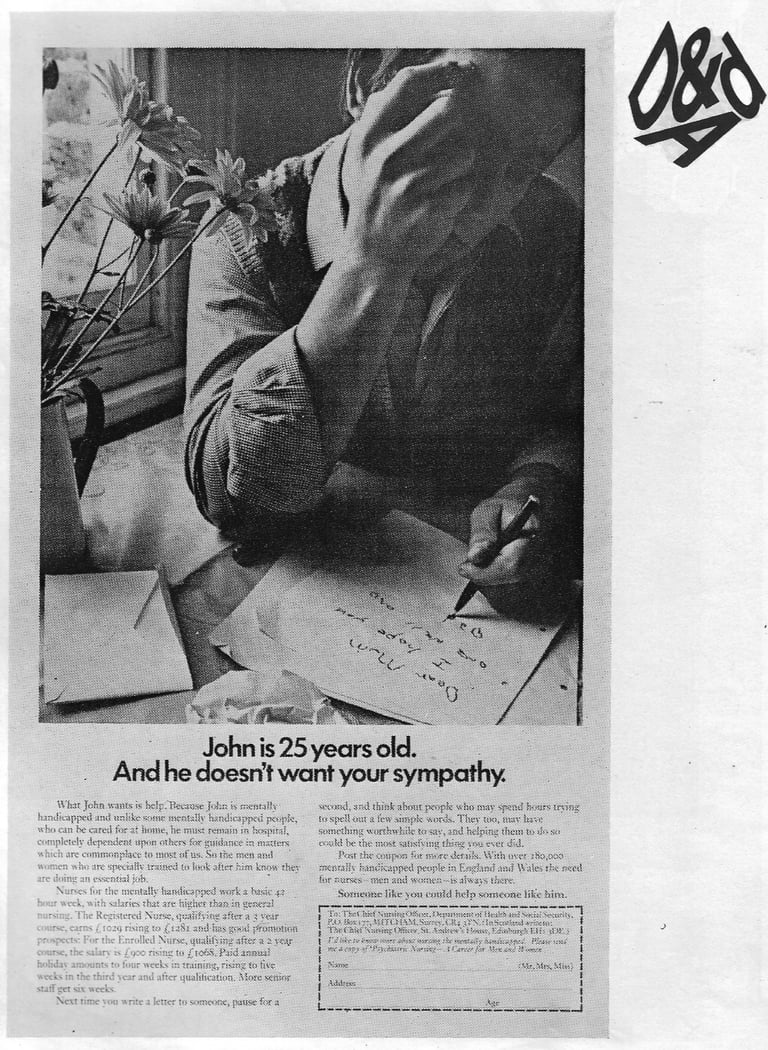
My ad for this Government Nursing Recruitment campaign won a Design and Art Directors Award. The equally clever headline was written by Peter Roche. The ad was for what were then described as Special Hospitals, and preceded Thatcher's closure of these valuable facilities in favour of 'care in the community'.
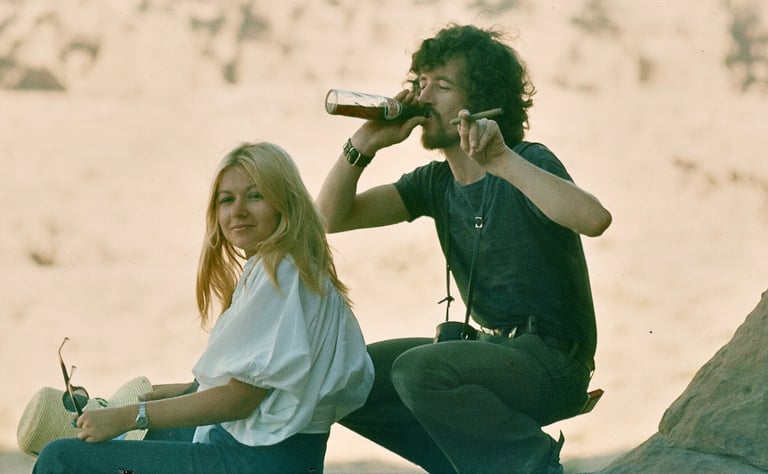
Here I am with Kathy Evans, a local Beirut-based journalist, in Wadi Rum, Jordan. Arriving in Aqaba after midnight, we missed the warning signs and unwittingly took a dip in the Red Sea. It was her scream that alerted me to the oil slick. She was completely enveloped in the black tar, and I was up to my knees. The local fishermen told us it was quite a usual occurrence for oil to be released from storage in Eilat when the tide suited. Not only destroying coral, but most probably a lethal contributory cause of her later illness.
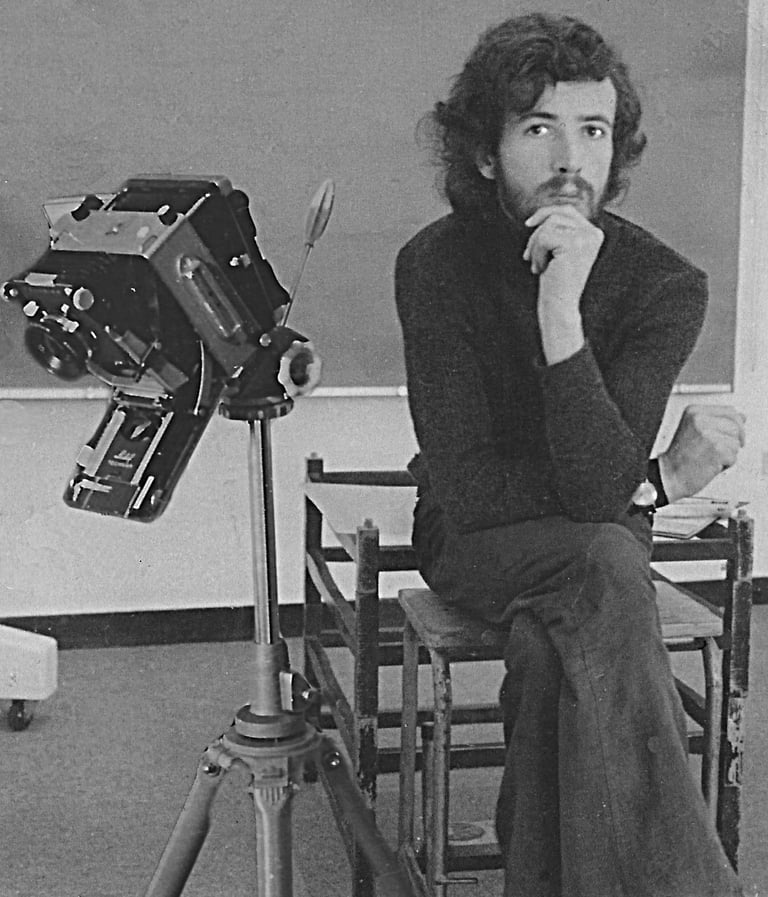
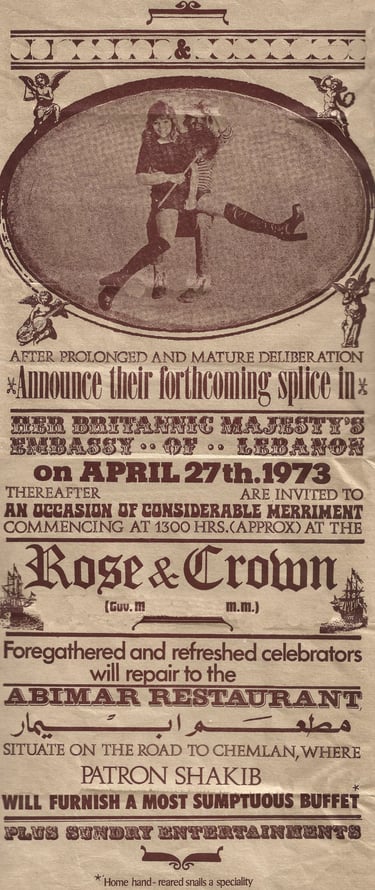
Finally, I had to work, so I found employment in a local "Ad Agency" called SNIP. I was hired as their art director /photographer. I was also tasked with building a photographic studio and dark room. I was given a Hasselblad and Linhoff plate camera (see photo), neither of which I knew how to operate. Fortunately, Librarie Antoinne had all the reference books I required. The darkroom and studio project took almost a year to complete, by which time I was seeking pastures new. My only studio photos were my friend's wedding invitation, a Farleys ad, both featured here and various pack shots for sundry products.
There was a brief interlude during which I was asked to convert a girlie bar to a pub. Note the guy leaning on the wagon wheel, a structural feature of the pub's designated darts area. The Lord Kitchener's was launched, and I was offered free drinks for the duration. I then teamed up with an English journalist to form a creative consultancy.
Note: The Sam Haskins photograph whose work was featured throughout the pub.
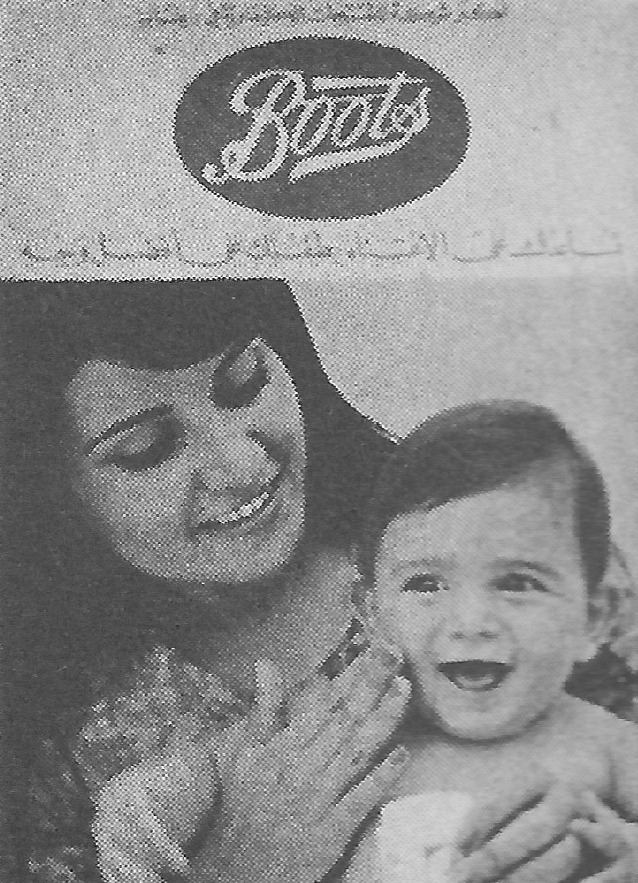
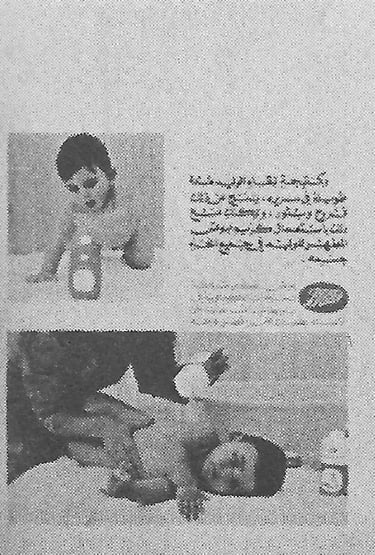
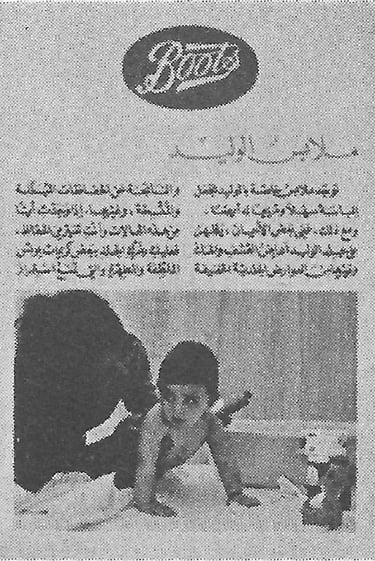
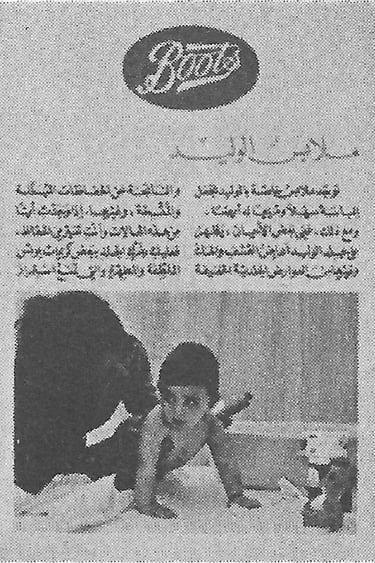
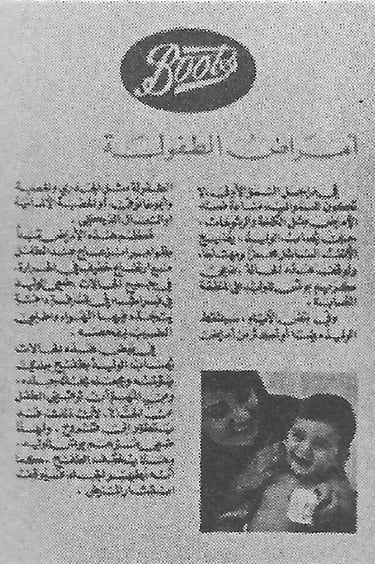
I adapted this Boots brochure to feature an Arab mother and child. It was my first genuine attempt at a professional-level of staged live-action photography, all executed in colour, in a rigged subdued sunlight set on my office balcony.
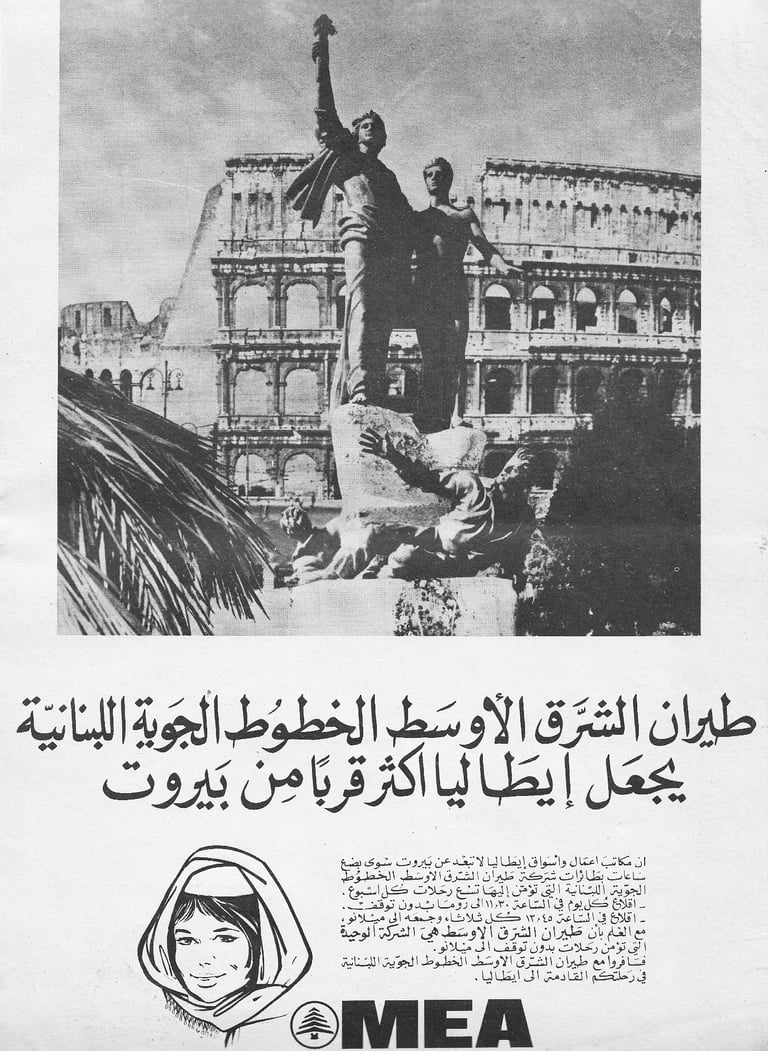
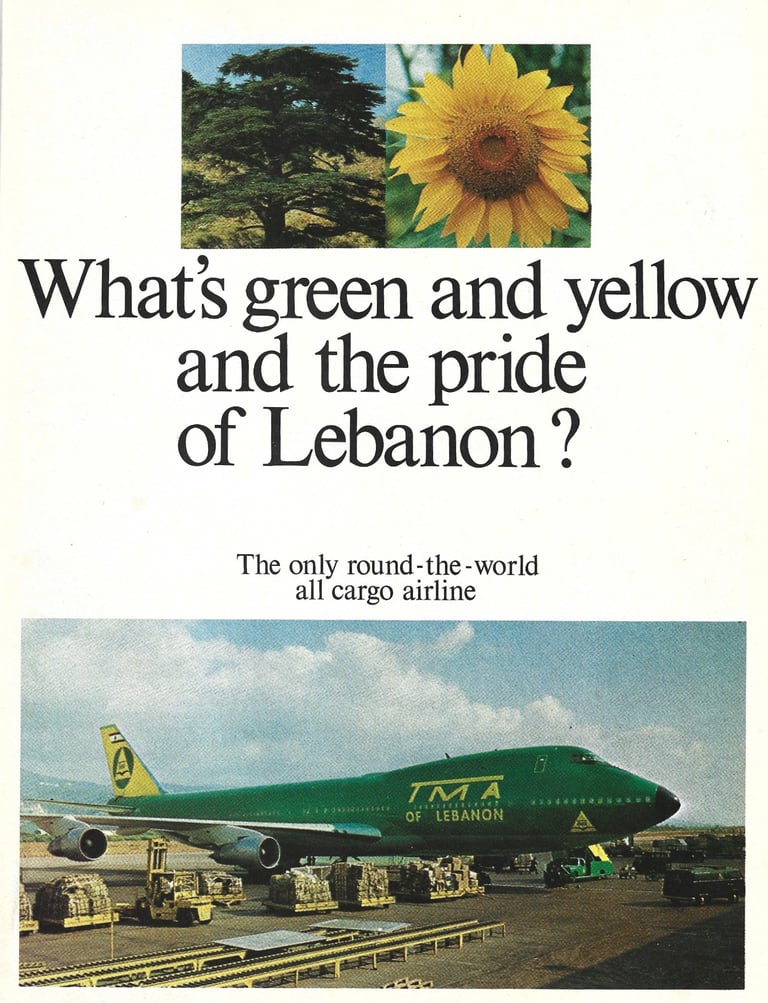
I produced campaigns and publicity material for several regional airlines.
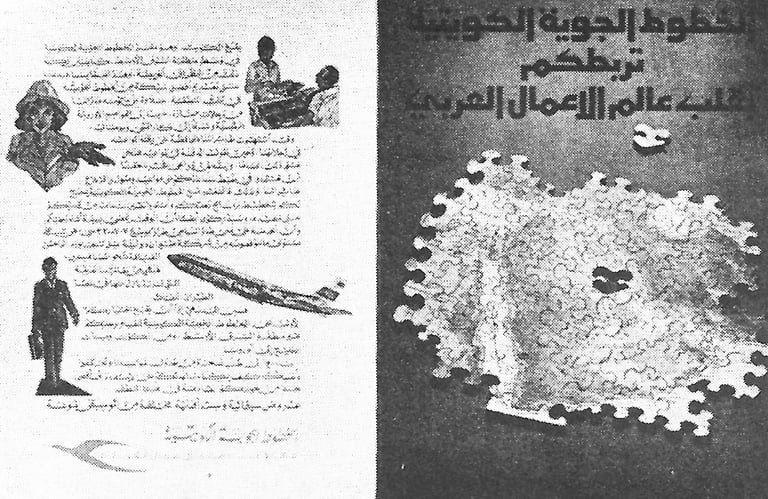
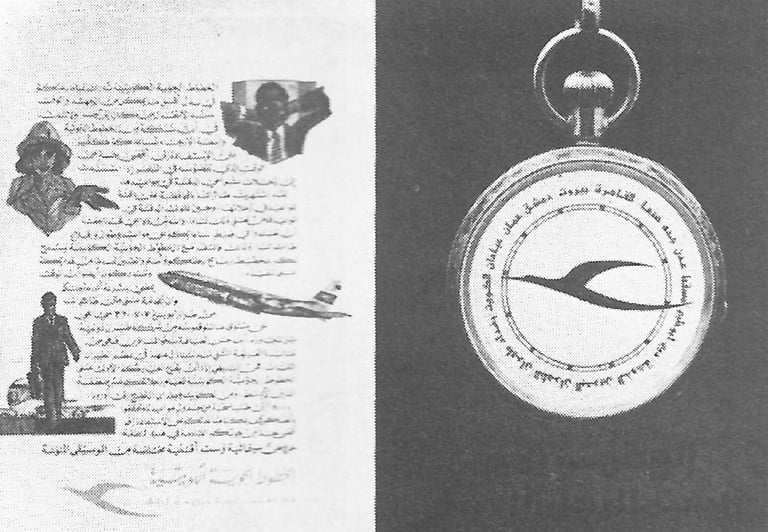
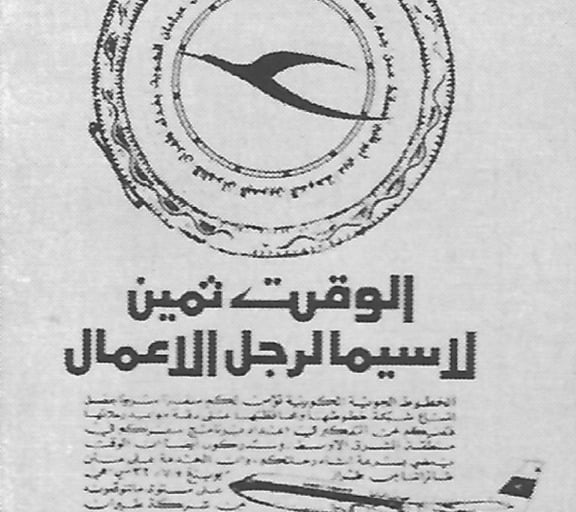
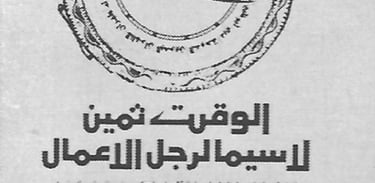
In this campaign for Kuwait Airways, I was probably the first to use the modern, angular Koufic Arabic calligraphy for headlines, rather than the more traditional Arabic script. See example. Again, this campaign was in colour.
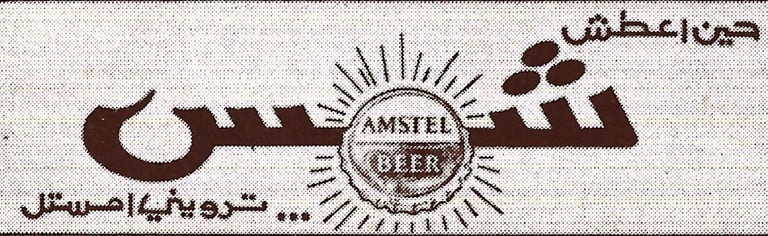
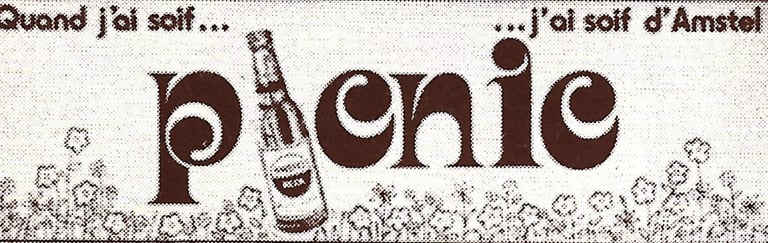
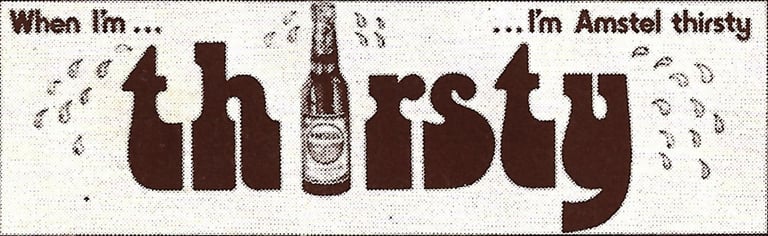
Effective black and white small space ad campaign for Amstel Beer utilising display typography in the English text and the Arabic. Produced in French, English and Arabic.
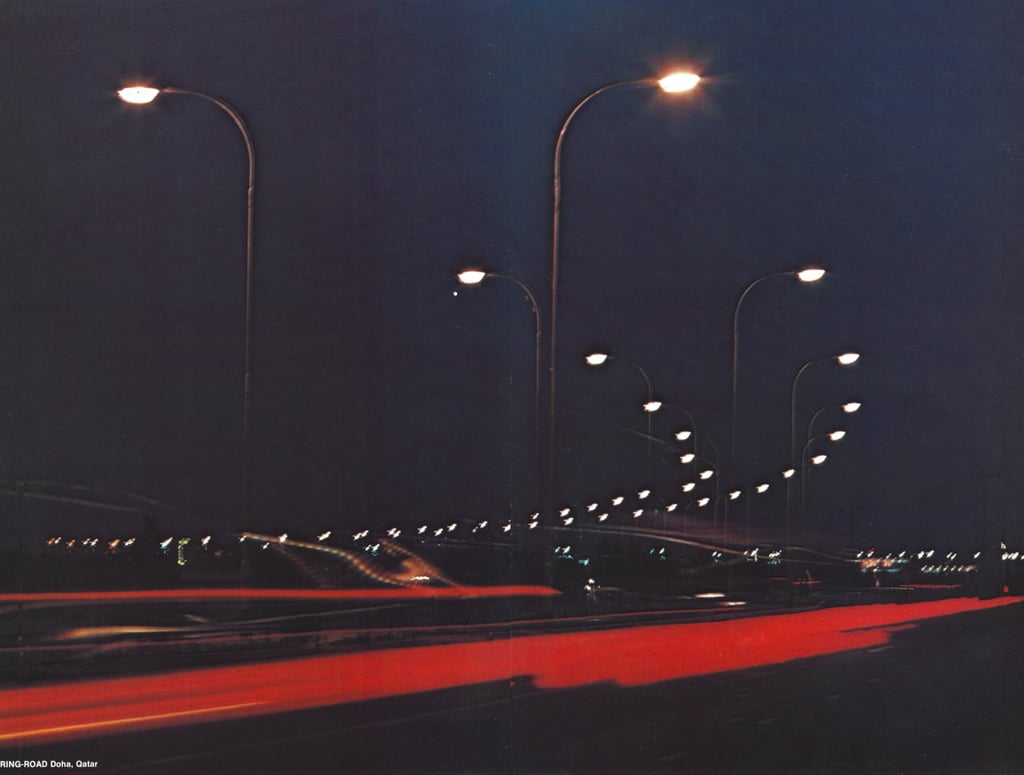
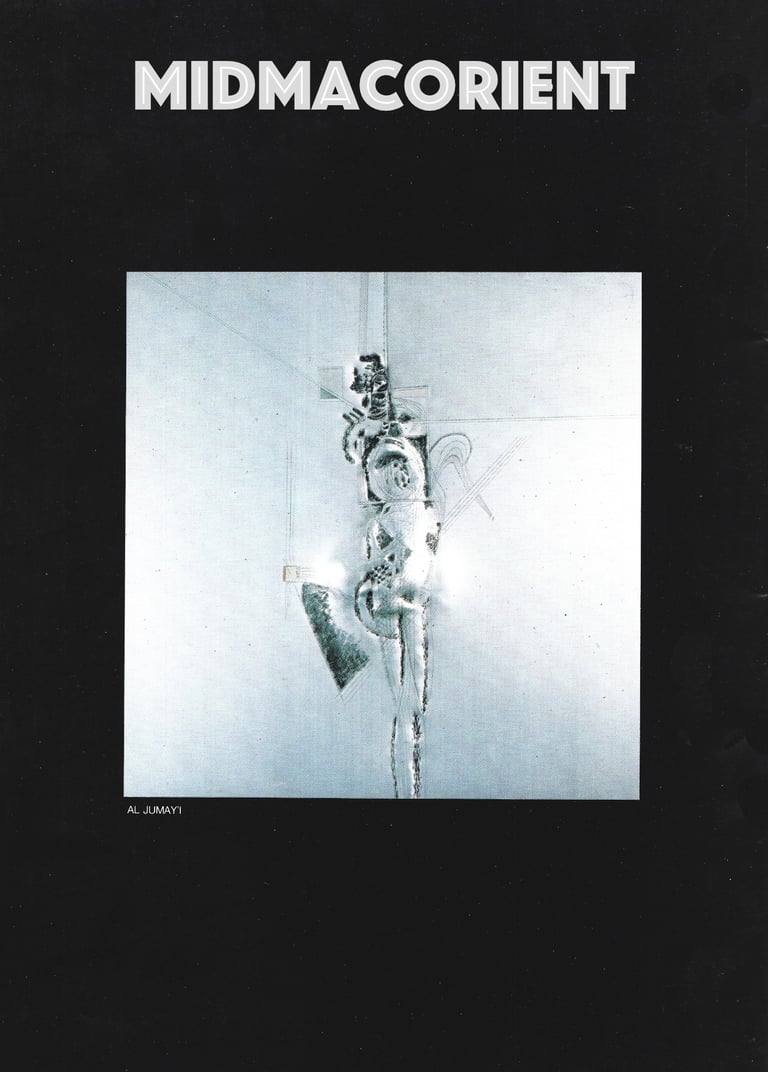
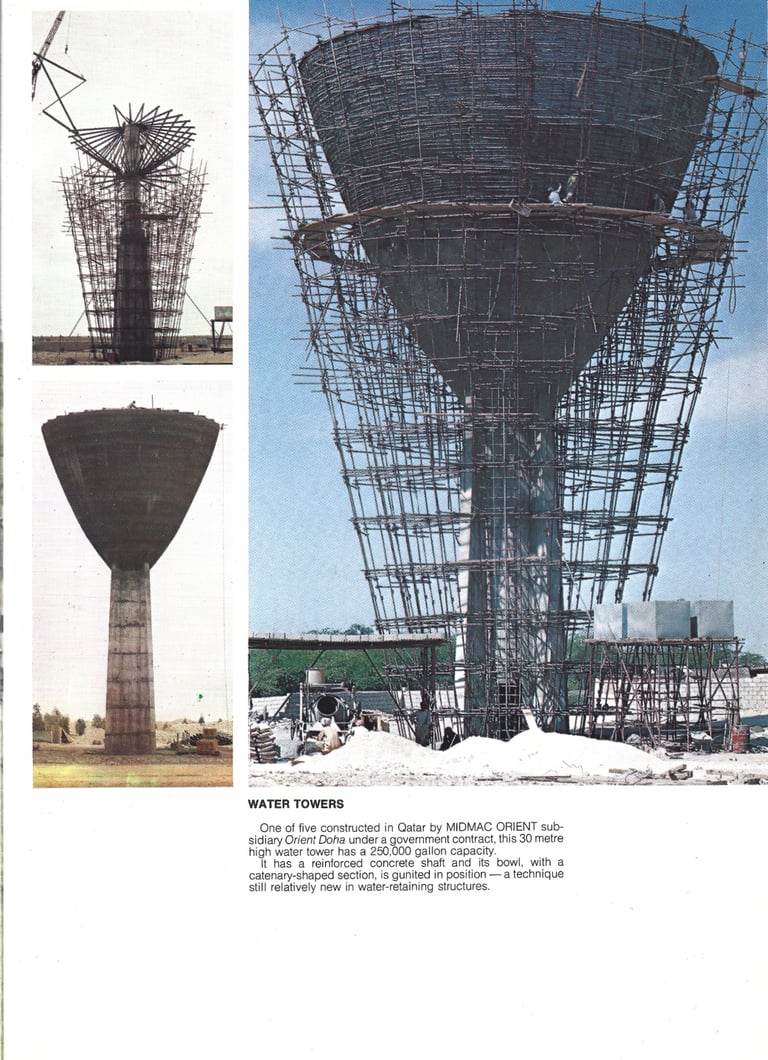
Corporate brochure for a Lebanese construction company based in Qatar, entailing one week of location photography, including the Chairman's art collection.
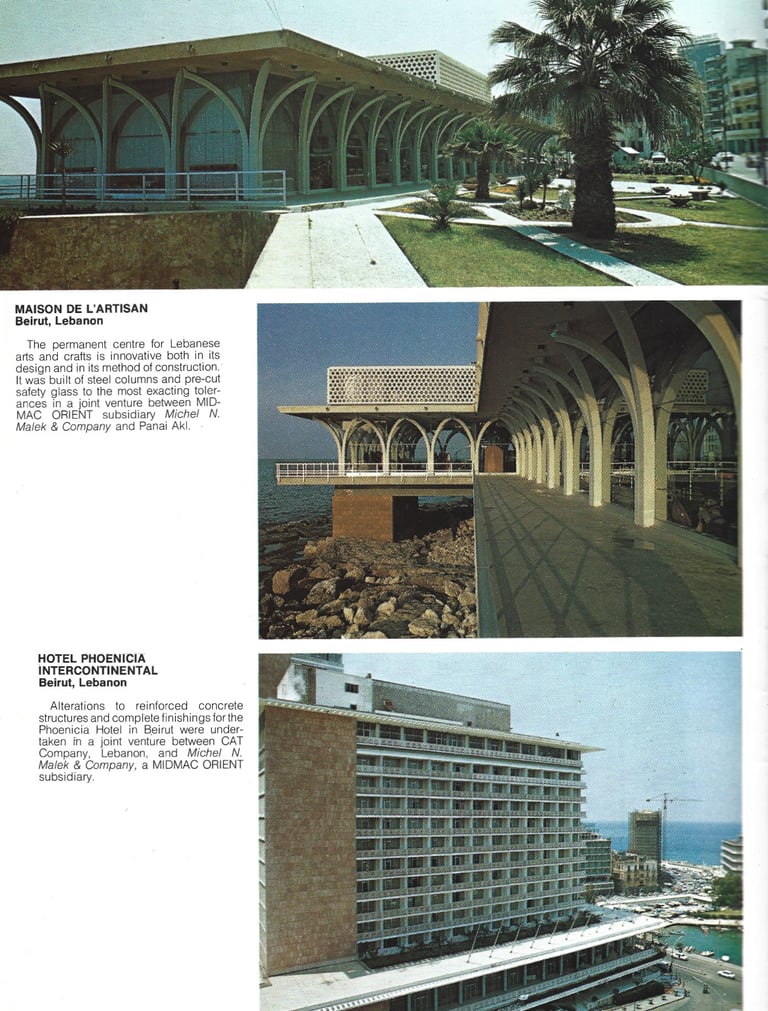
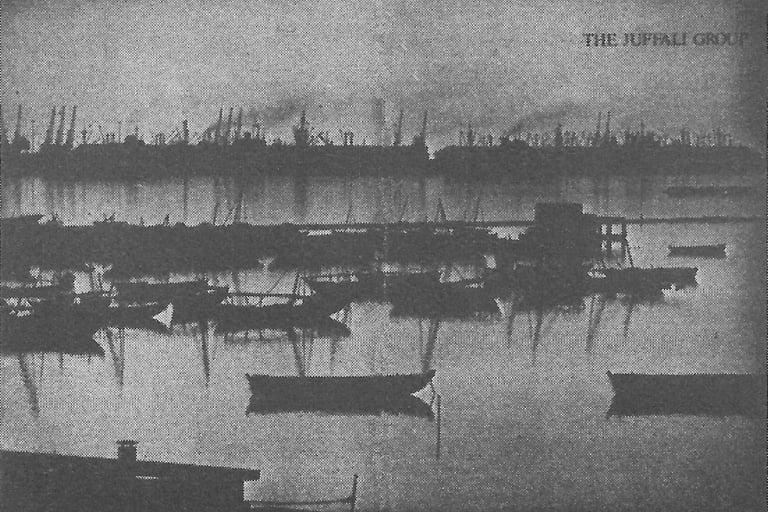
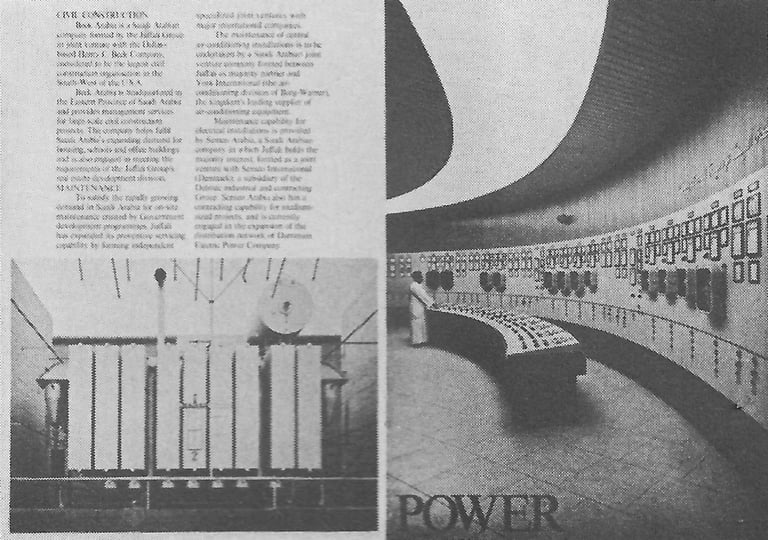
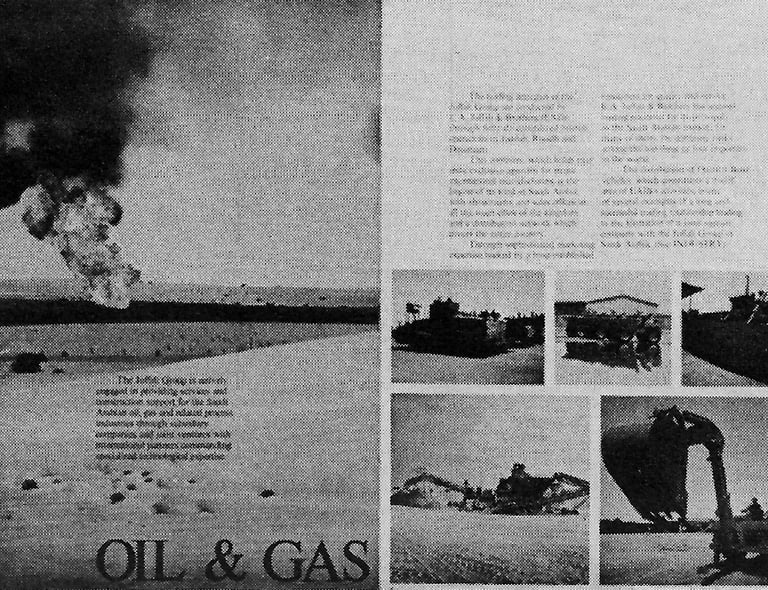
Another prestige corporate brochure for the Juffali Group. Printed in full colour, but unfortunately, no colour sample exists. Shot over two weeks on location in Saudi Arabia. The photo is of Jeddah Port, taken at dusk and bathed in a red sunset; unfortunately, this black-and-white copy does not do it justice.
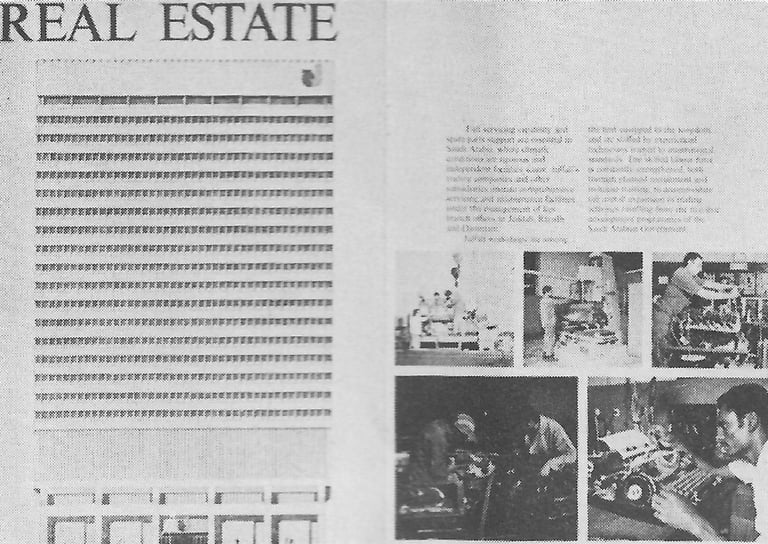
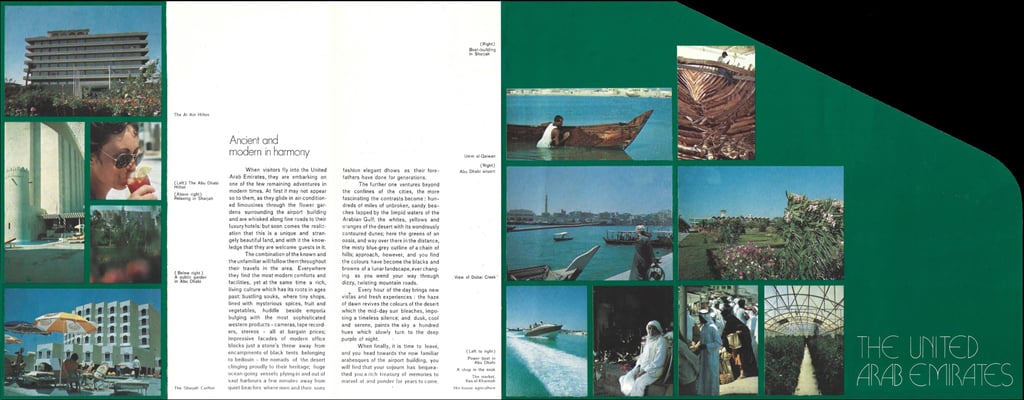
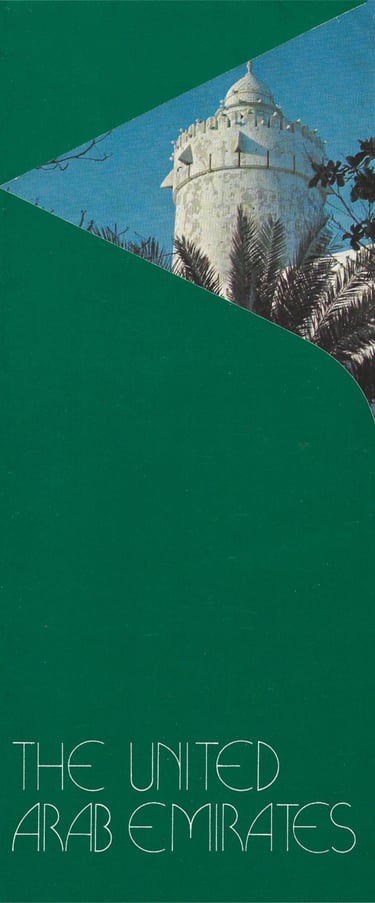
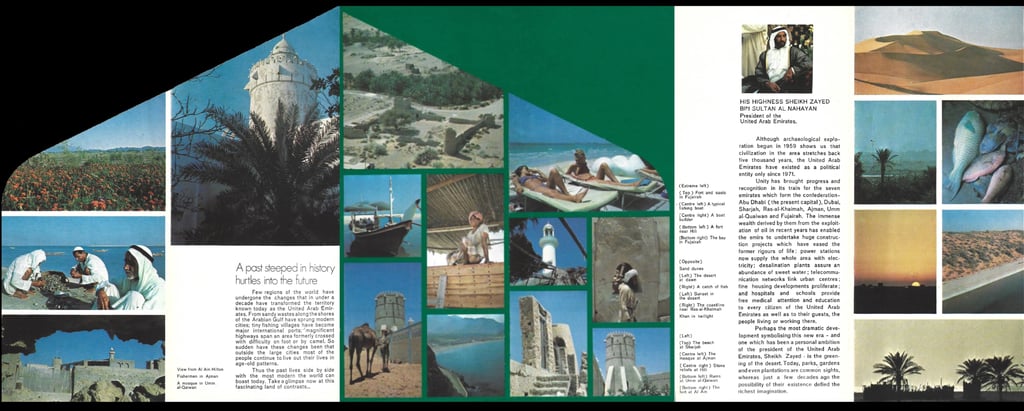
Possibly the first ever published UAE travel brochure. All photographs supplied. Designed and printed with gate folds and five creases to form the semi-arch on the folded cover.
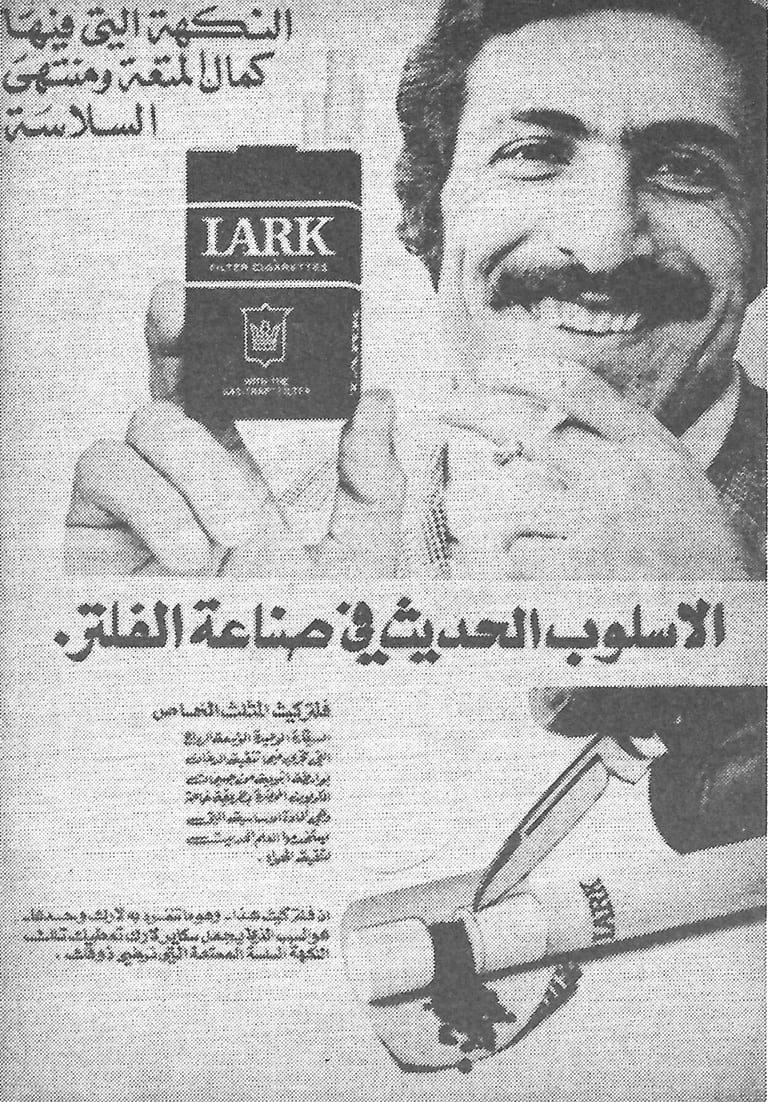
Ad for Ligget and Myers with one of my photographs and Ad for Dar Assayad newspaper publishers.
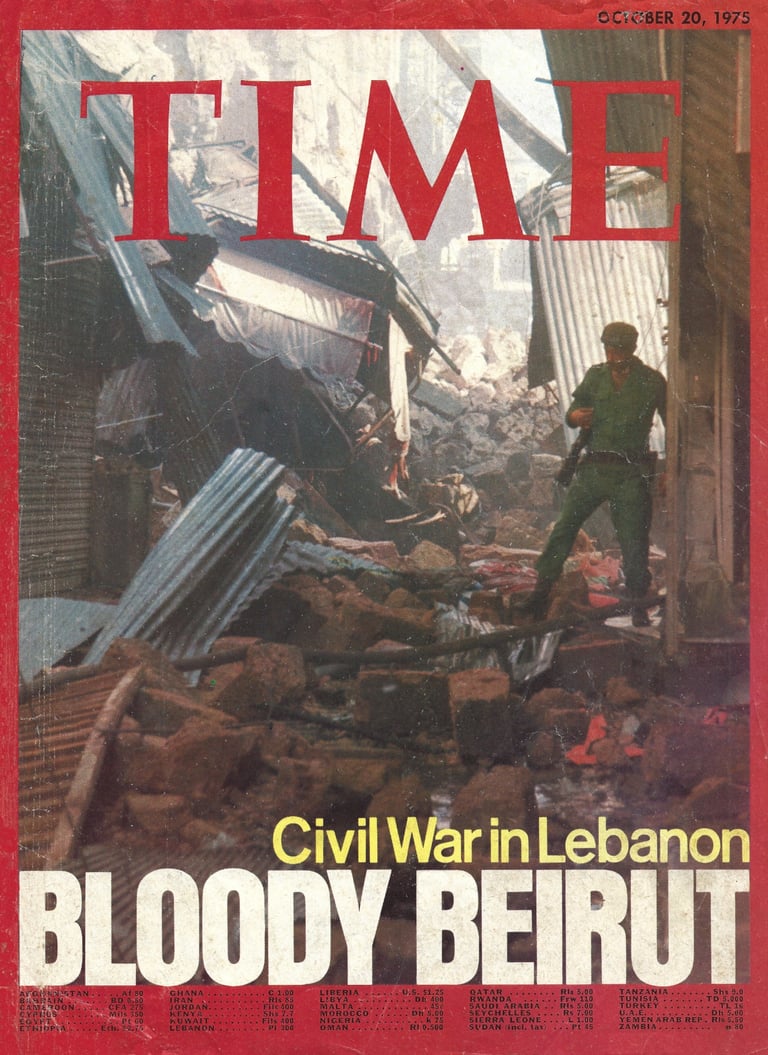
The months following October were to be the most dangerous, as the civil war intensified central Beirut came under increasing shell fire and various factions began kidnappings and targeted assassinations. The worst fighting was around The Holiday Inn, inconveniently located only yards away from my printers. The one occasion I had to check a printed proof, my taxi refused to go within two hundred yards of the building, so I ran the gaunntlet and it really was too close to call.
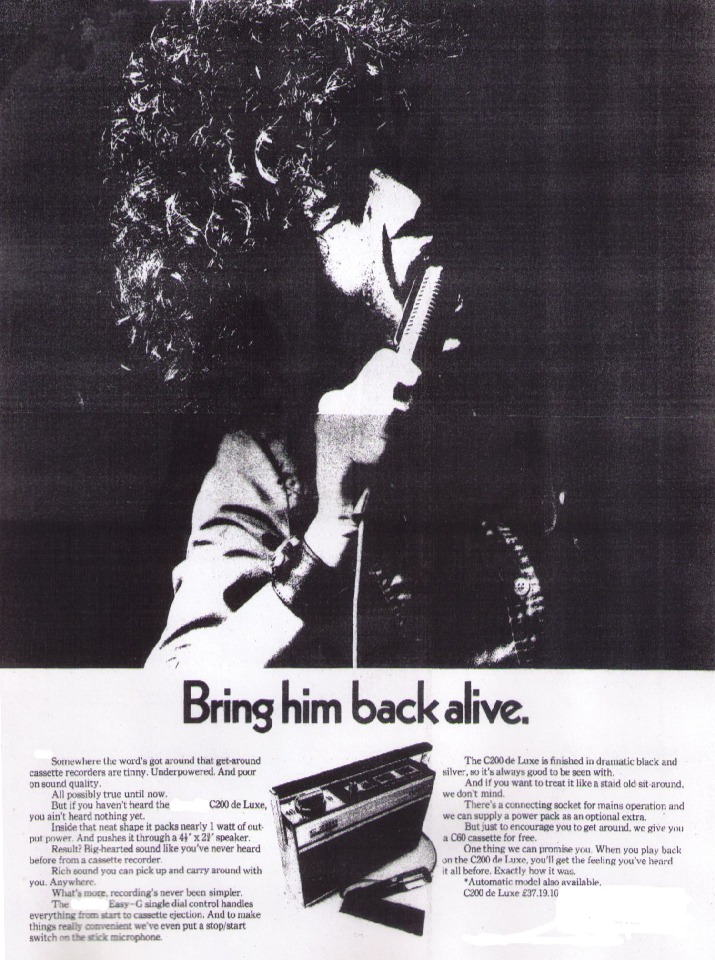
My colleague asked me to model for this photo taken by Jeanie. Sadly, days later, Jimi Hendrix passed away, and coincidentally, I attended his last concert on the Isle of Wight. In the circumstances, the ad was pulled temporarily, and I was asked to come up with another headline, but I politely declined. It was very shortly after this episode that we both quit the agency.
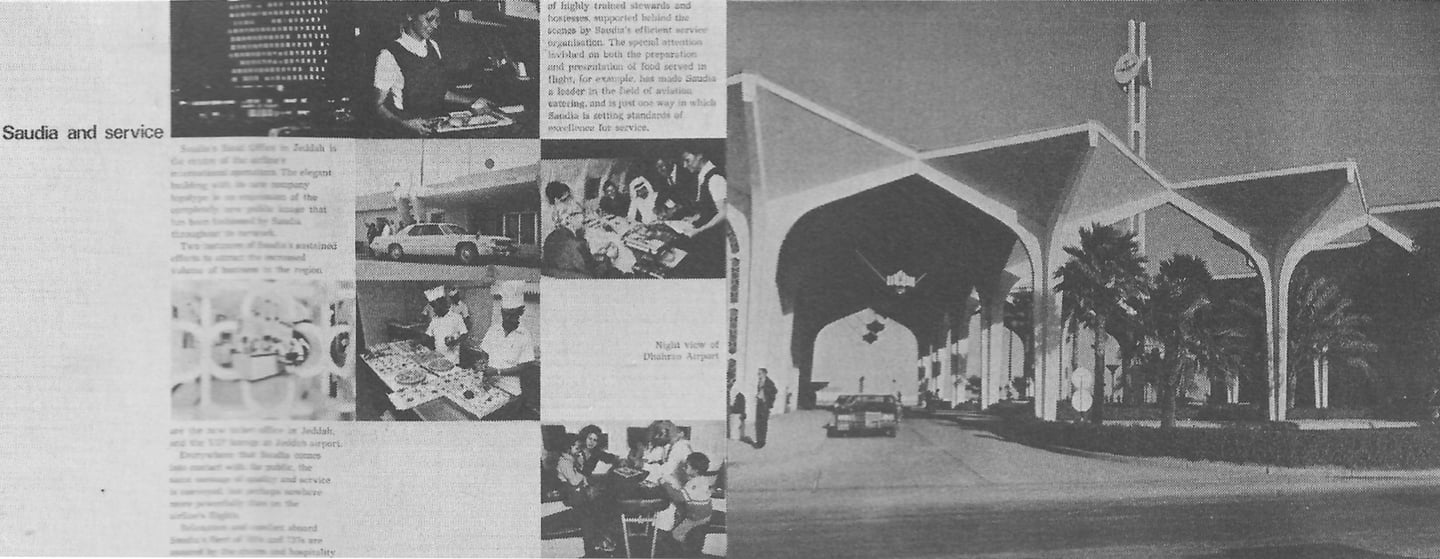
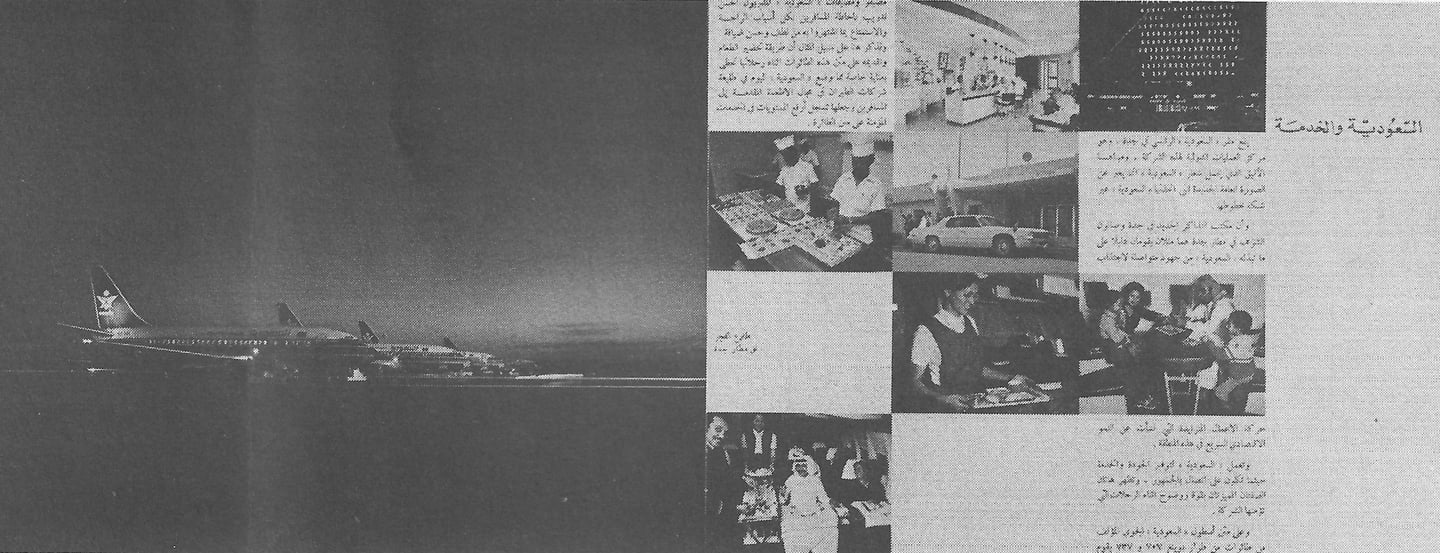
My first professional assignment was this Saudi Airlines Annual Report, which entailed two weeks of location photography, traversing the Kingdom from west to east. No colour copy exists. Ironically, this project could be said to have launched my business career in the region, and it was in Saudi Arabia where, with a little help, I ultimately ended my advertising career a decade later.
PIPE LINES
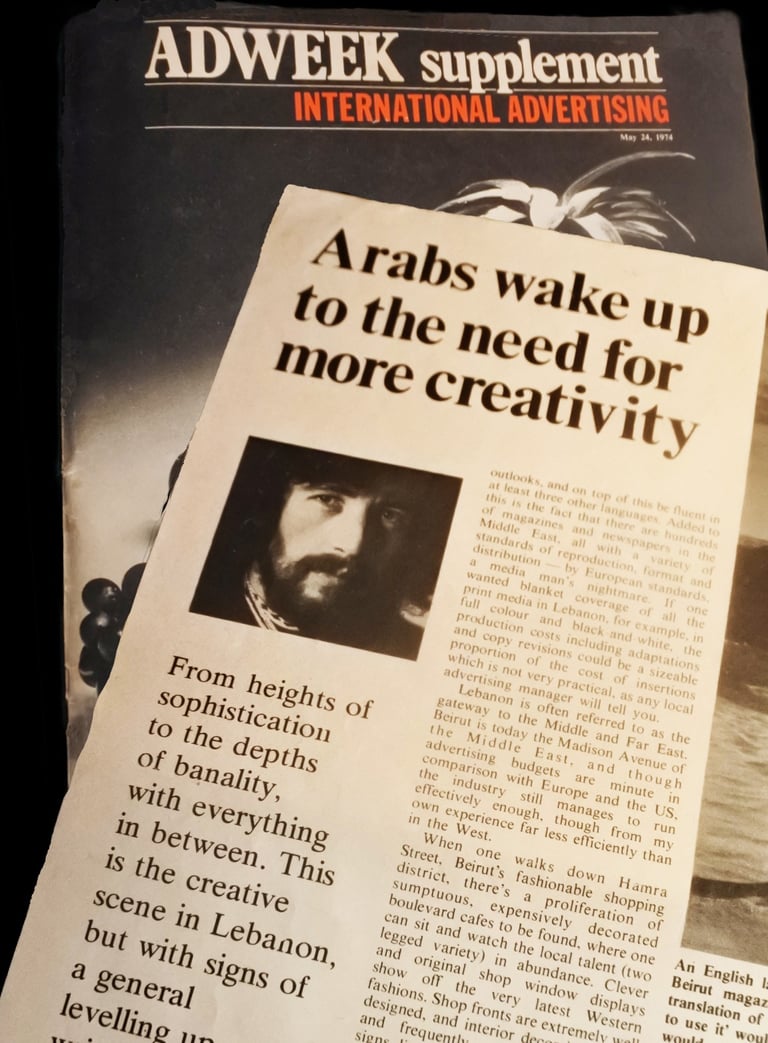
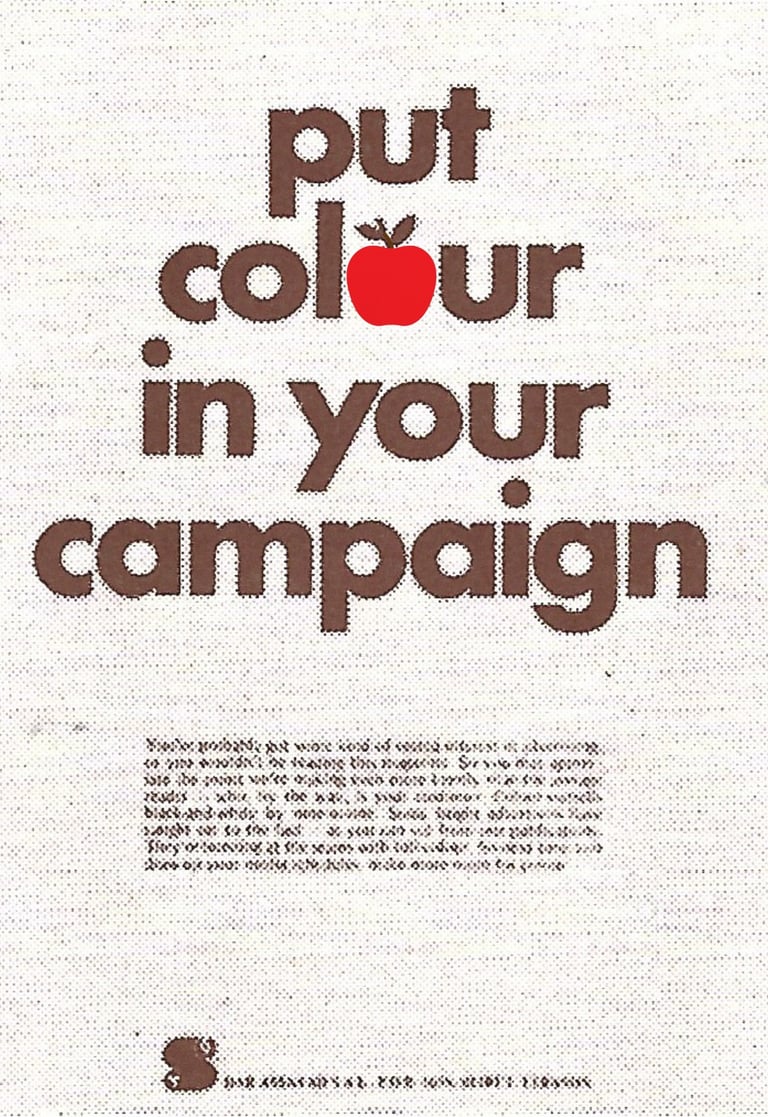
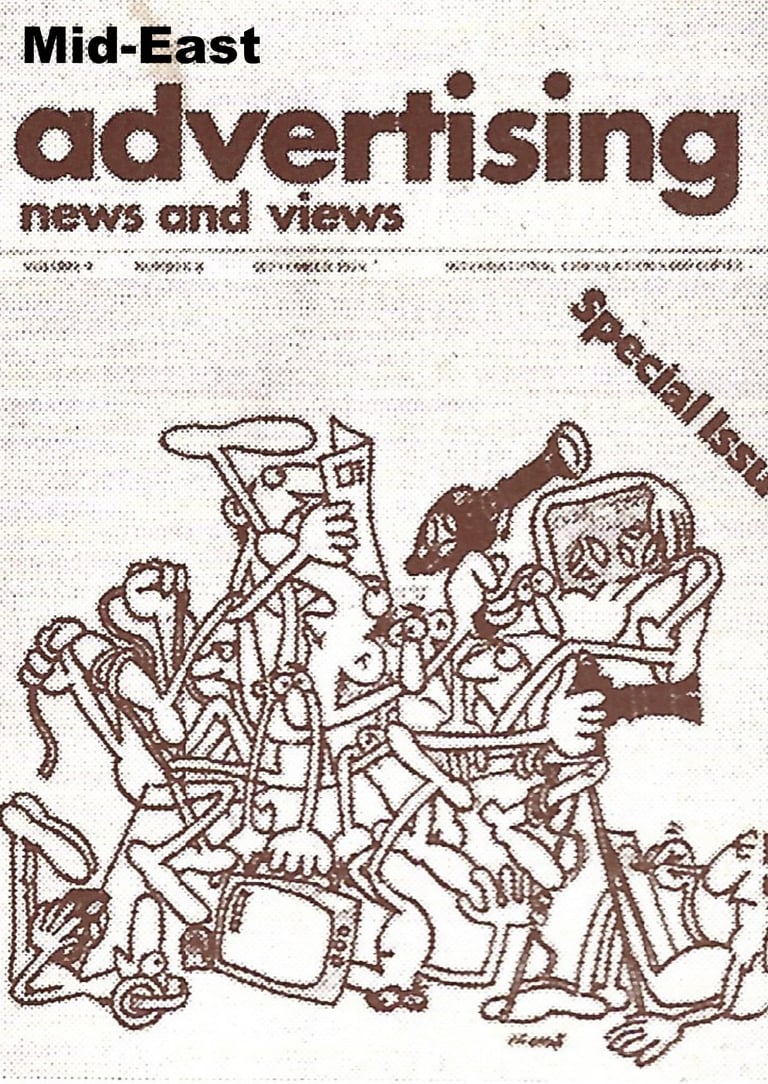
We designed and wrote a monthly magazine for Dar Assayad publishing group featuring news and gossip from the Lebanese Advertising Souk. This, in some respects, led to my feature article in AdWeek the highly popular precursor to Haymarket's Campaign magazine.
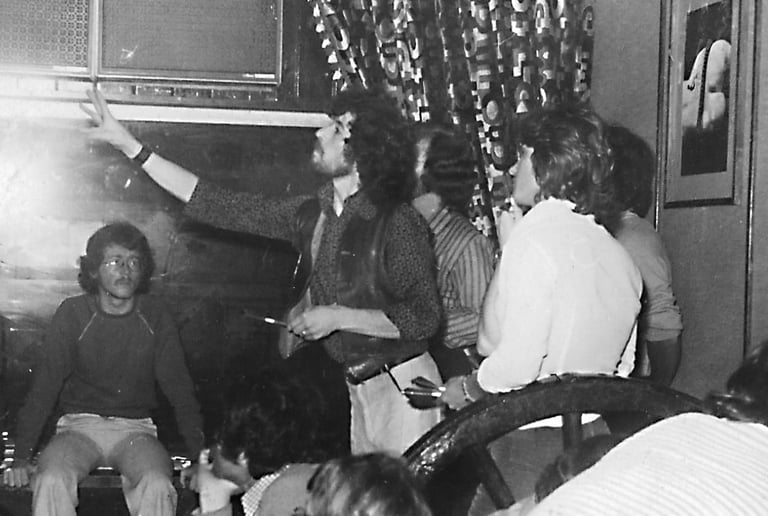
I took a flight to Beirut, Lebanon, with a couple of weeks' wages and a second-hand Nikon F camera. The first year I spent getting to know this Paris of the Middle East. I enjoyed both its nightlife and its more bucolic offerings. I quickly befriended expatriates working in journalism and film. This became more than just an enjoyable pastime; it was also very informative and changed my outlook on Middle East politics once and for all. I travelled extensively across the region, getting involved in various interesting escapades.
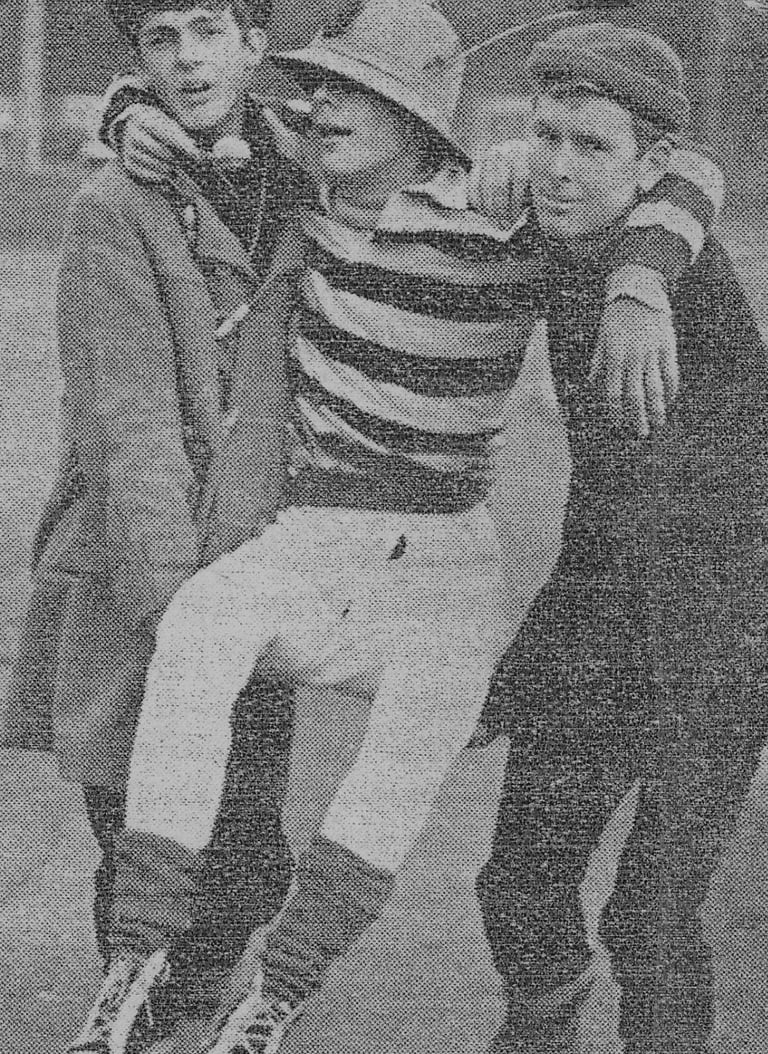
My creative endeavours began at art college, starting with a fund-raising egg-and-spoon race from Nottingham town centre to Derby. Midterm, I found employment at Butlins Holiday Camp, working as a kitchen porter, a barman in the evening, and a receptionist at weekends. While still at College, I started my own printing business in a garage.
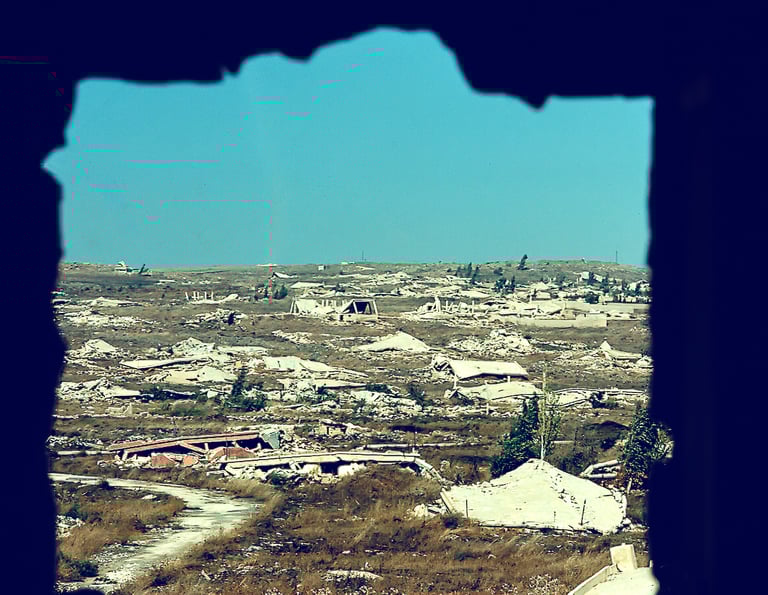
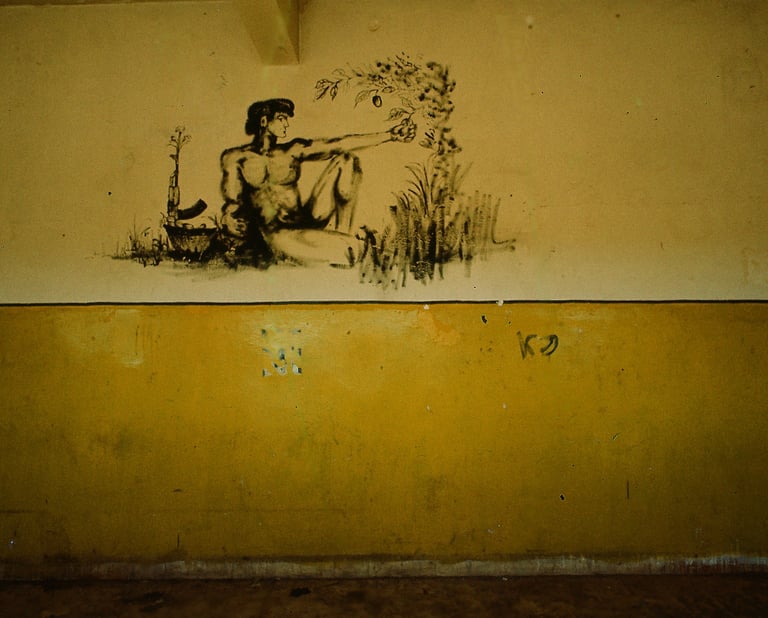
My next assignment with Kathy was to Quneitra in Syria to witness the aftermath of Israel's withdrawal from this part of the occupied Golan.
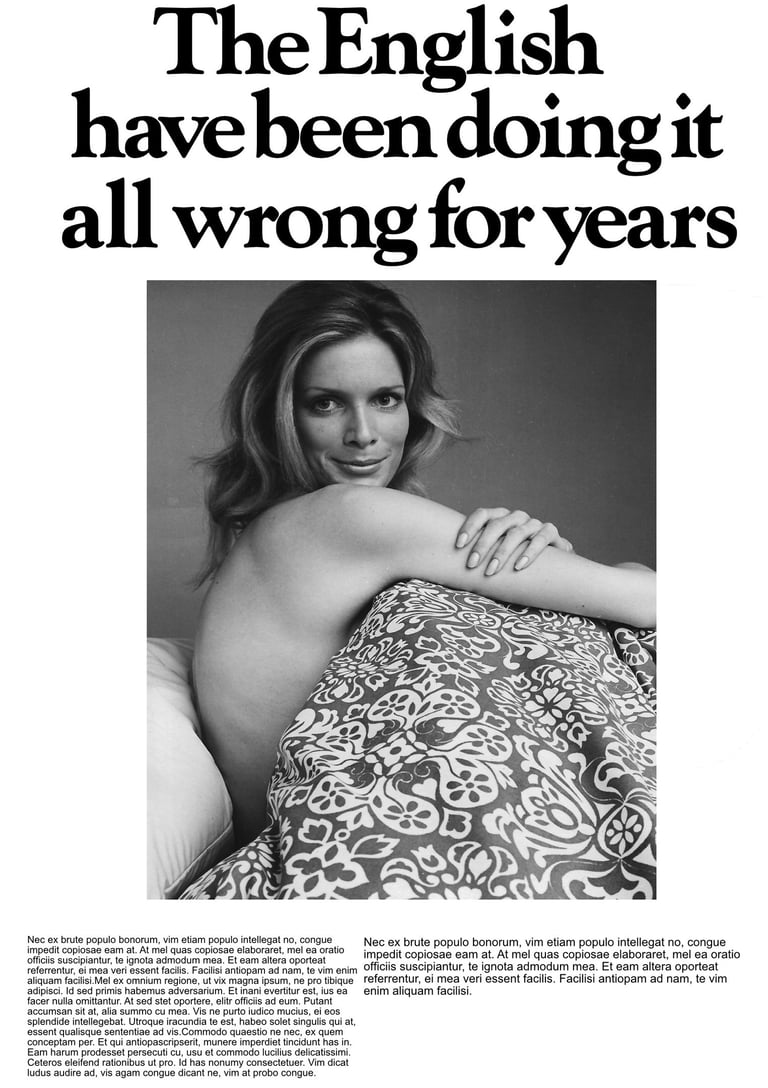
My London career was a slow burner, as I worked on an uninspiring retail account for two years. On being liberated, my first proper ad featured my headline with the lady in the duvet, at a time when blanket bedding was the norm in the UK. I have purposely obscured the brand, but they secured the market with this ad.
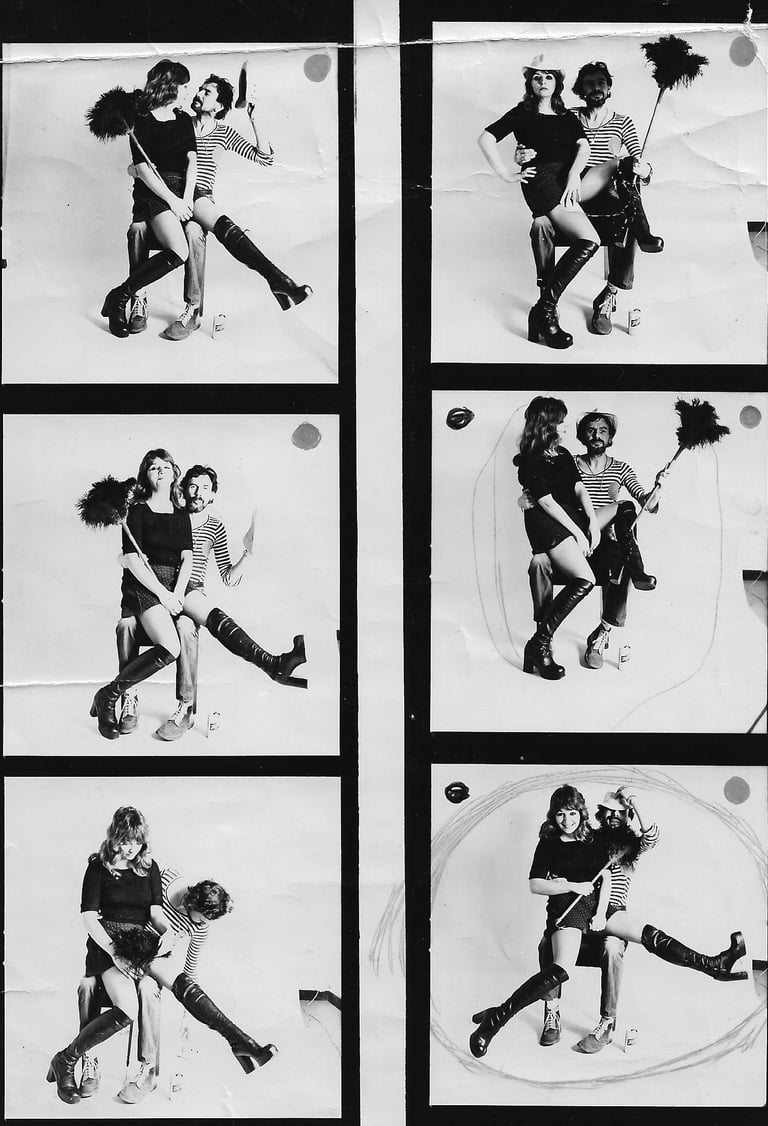
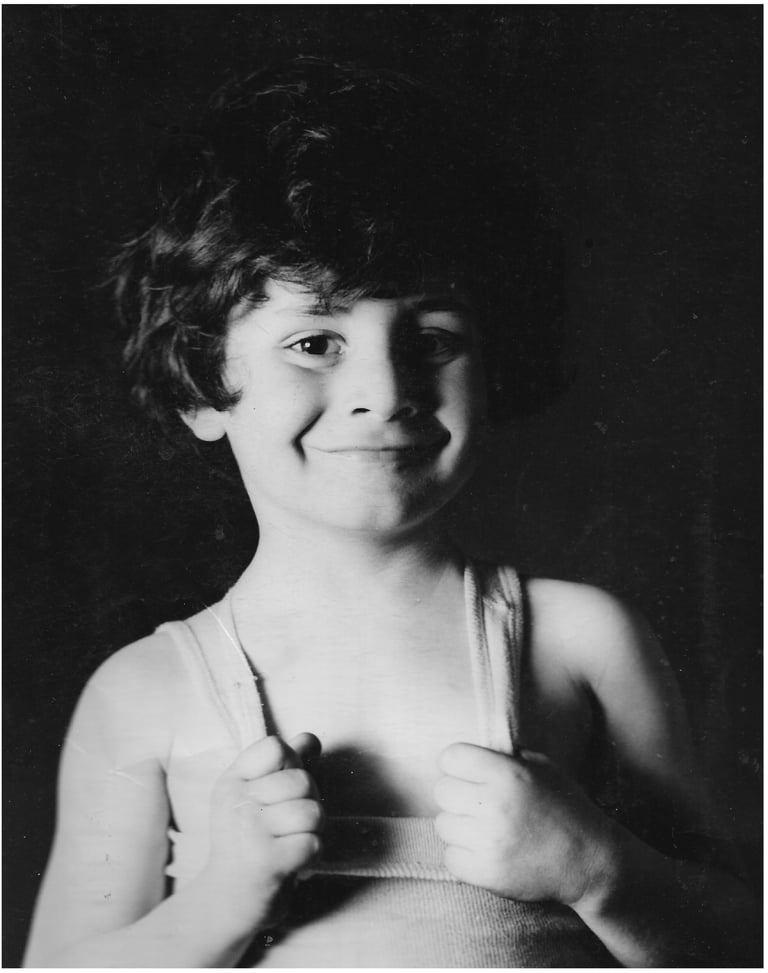
Farley's ad photo
Contact sheets
Wedding Invitation
In my Beirut studio
London, by this time, had become a place of respite for the many Lebanese escaping the nightmare of a vicious civil war that appeared to have no end. I was, for a brief period, put up in Kensington, and the local pub became a meeting point for Lebanese expatriates, many of whom were friends. Eventually, I landed a flat in Pimlico. It was also here that I found a desk space to rent around the corner from my flat, in an established design practice. It was here that I started my own practice, putting myself out there as a specialist in Middle Eastern design and marketing. I had partnered with an old UK Ad Agency friend who took on the role of a front man, more commonly described as an Account handler. Our first client was Purnells, which had been commissioned to publish, design, and print the first Saudi Arabian Airlines in-flight magazine, called Ahlan WaSahlan. I had to admit at the time that this was a fantastic coincidence, given my previous experience with both Saudia and airlines generally.
I built another darkroom in my office so I could shoot and process my own black-and-white photography.
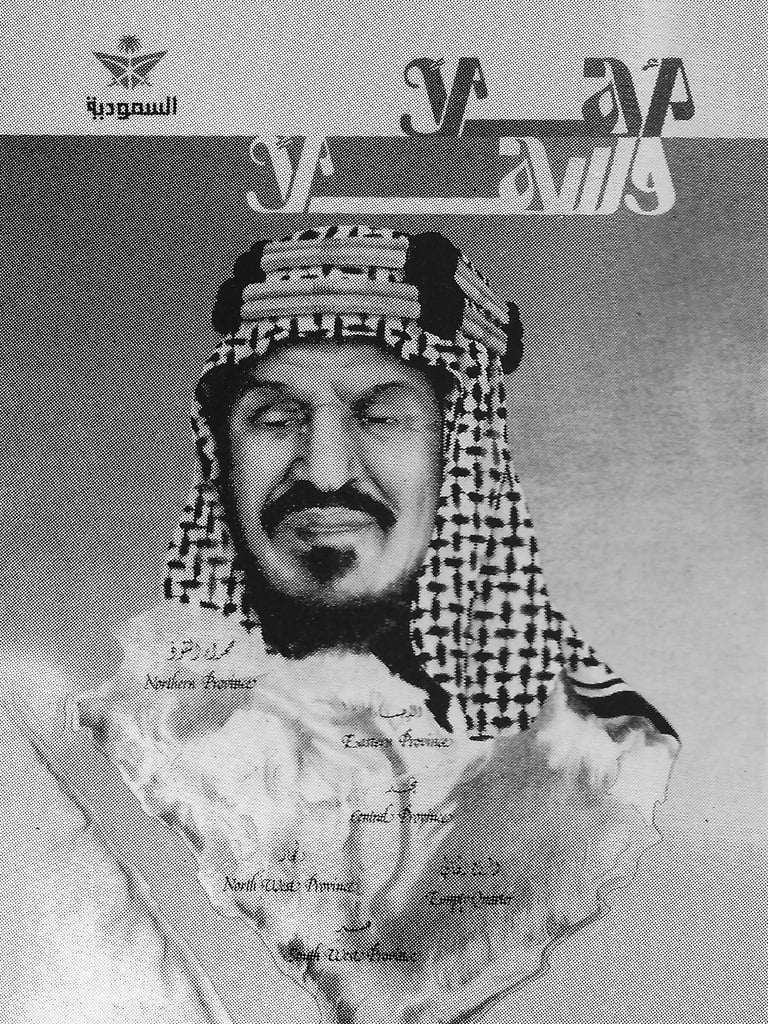
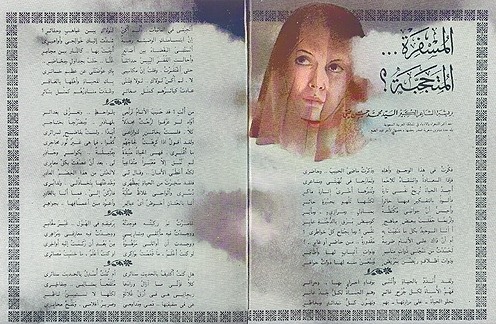
A double-page spread illustrated in coloured crayon featuring Arabic poetry.
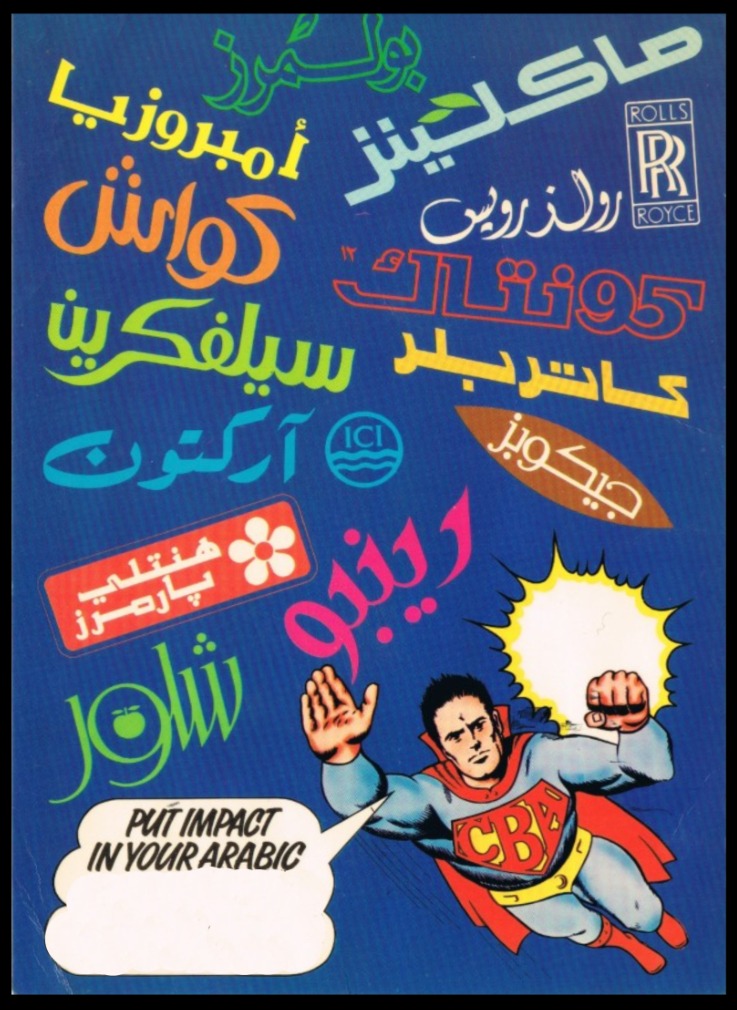
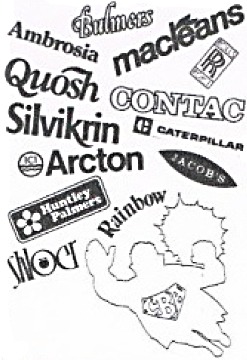
As illustrated here in this early promotion, we very quickly acquired an enviable list of blue chip clients.
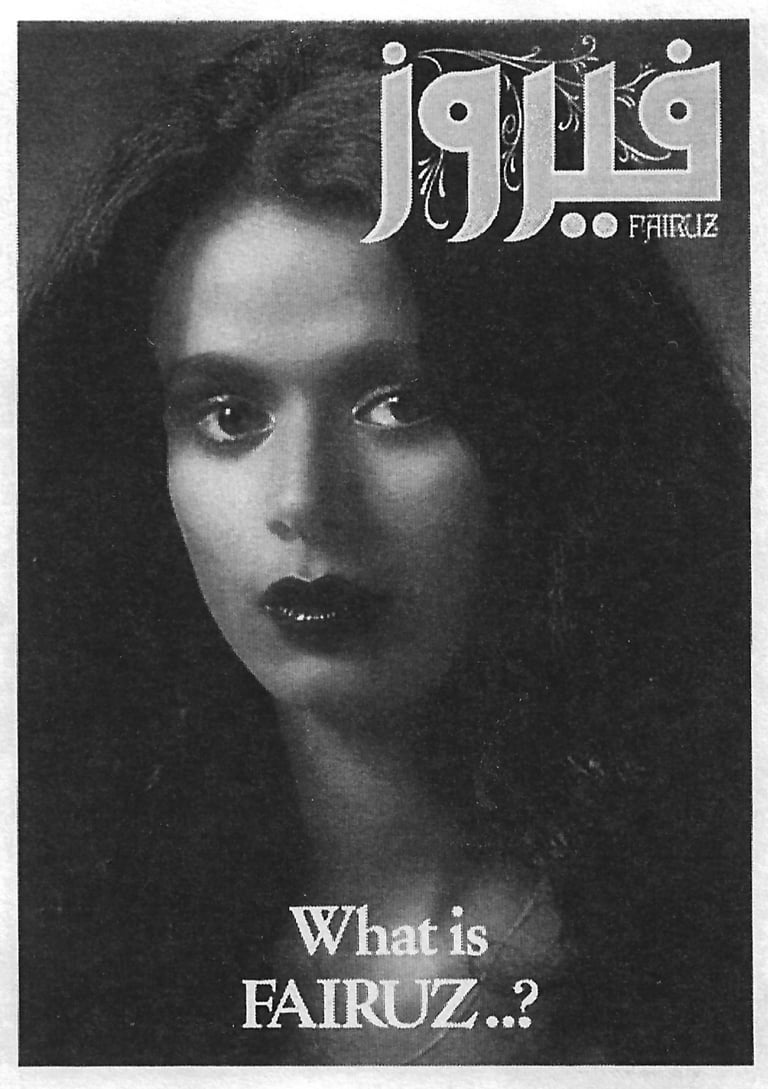
My Beirut-based client, Dar Assayad, moved their advertising department to London, so I continued to design their promotional literature across most of their titles, which included this Fairuz launch/promotion.
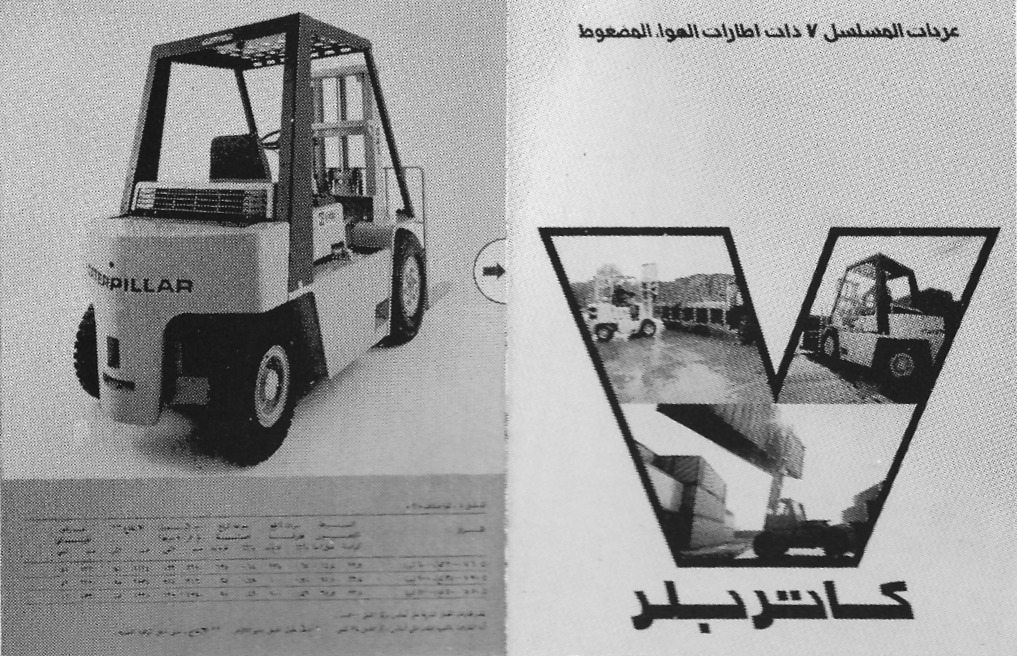
A major commission for Caterpillar was to translate all their technical literature across their entire range of machinery, adapt into Arabic format and print.
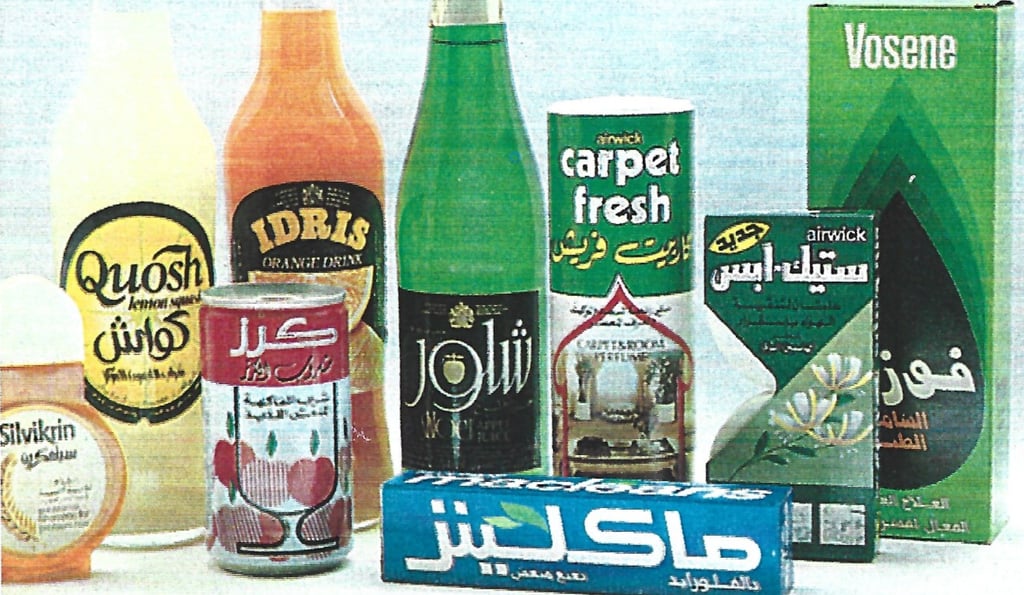
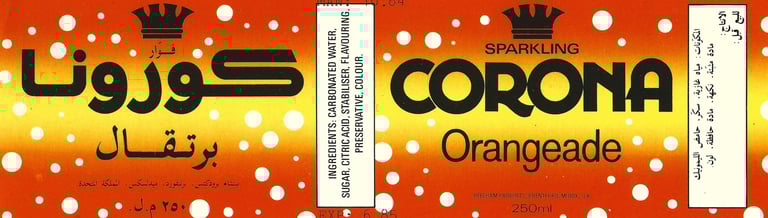
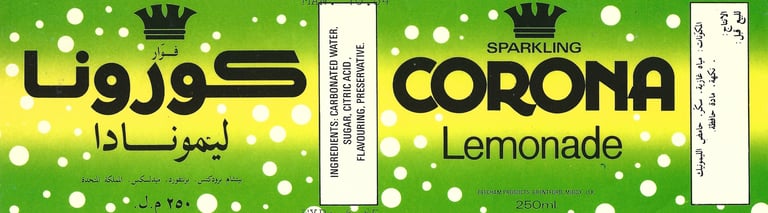
I quickly familiarised myself with Arabic script, designing and drawing most of these logotypes myself. There were no computers back then, so everything was hand-drafted.
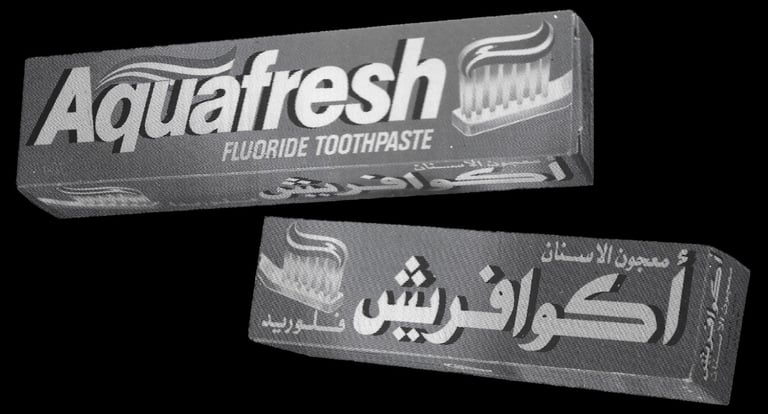
Beechams Overseas product range covered everything in the consumer category from Marmite and Bovril, Macleans and Aquafresh toothpaste, various shampoo and soap brands, to the Airwick range. Soft drinks including Lucozade, Ribena, Idris, Quosh, Shloer, Corona all of which I was called to work on.
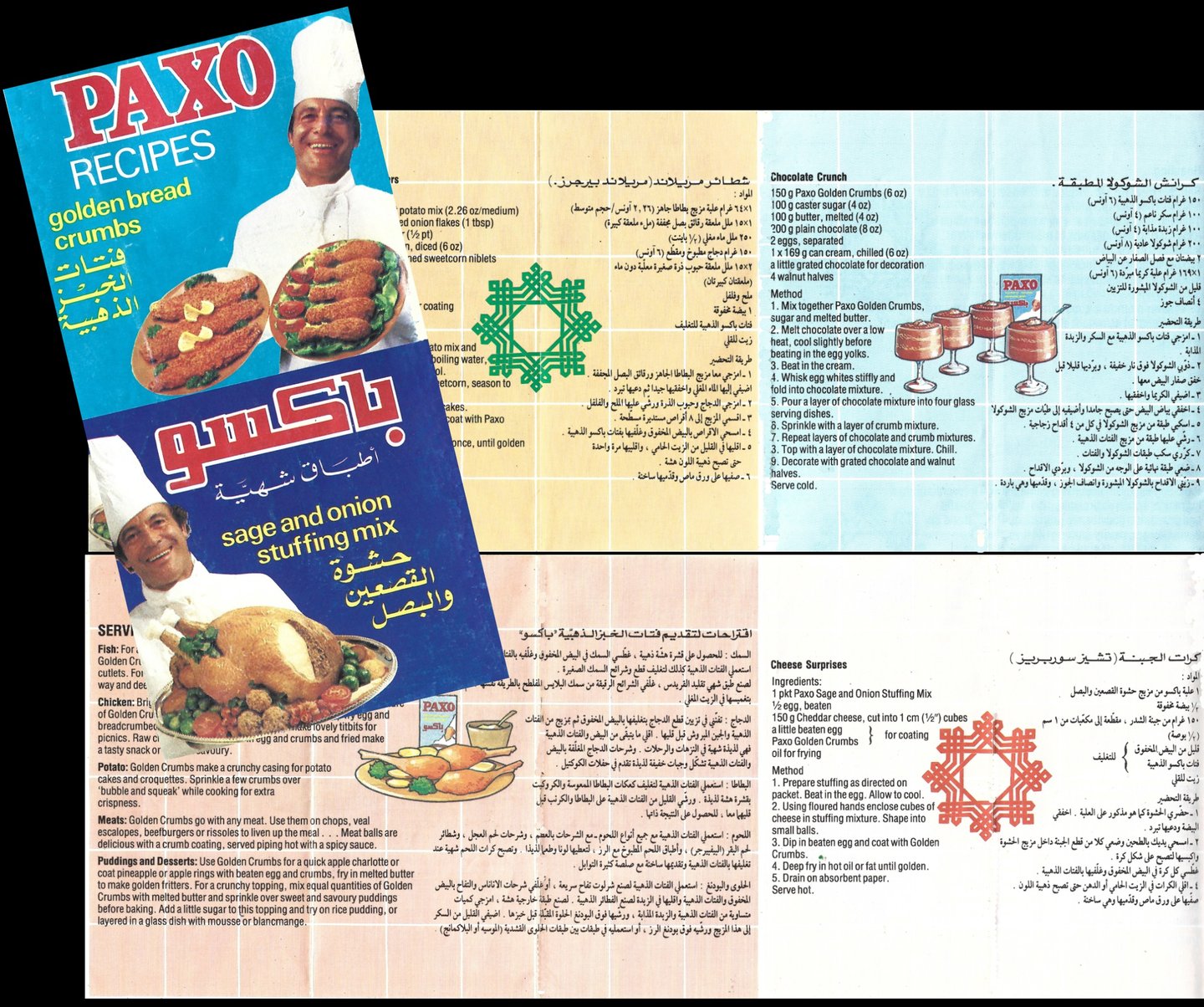
Then we were approached by Rank Hovis McDougal to rebrand their Sharwoods range and various other products such as Mrs Kipling and the Paxo recipe leaflet featured here.
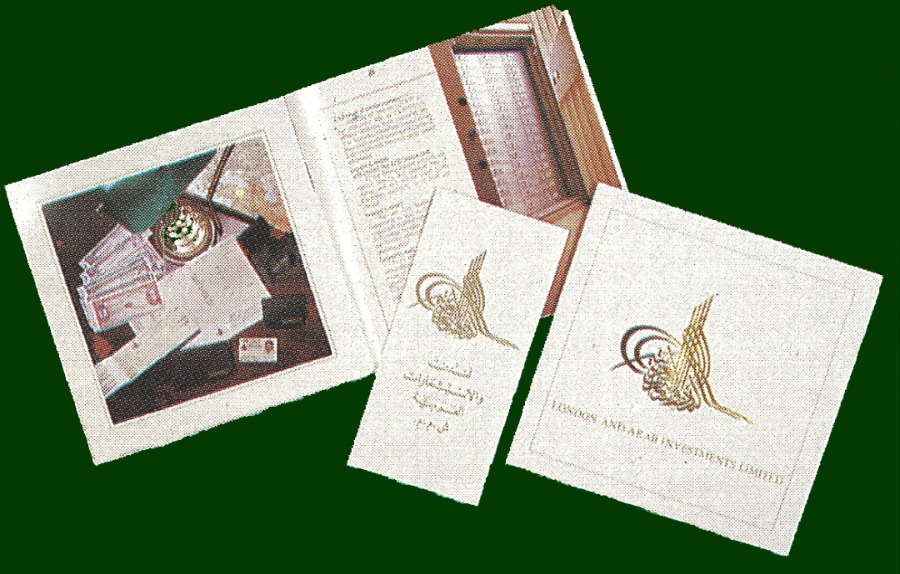
We designed, photographed, and printed this prestige brochure in English and Arabic for London and Arab Investment Limited, along with their Annual Report.
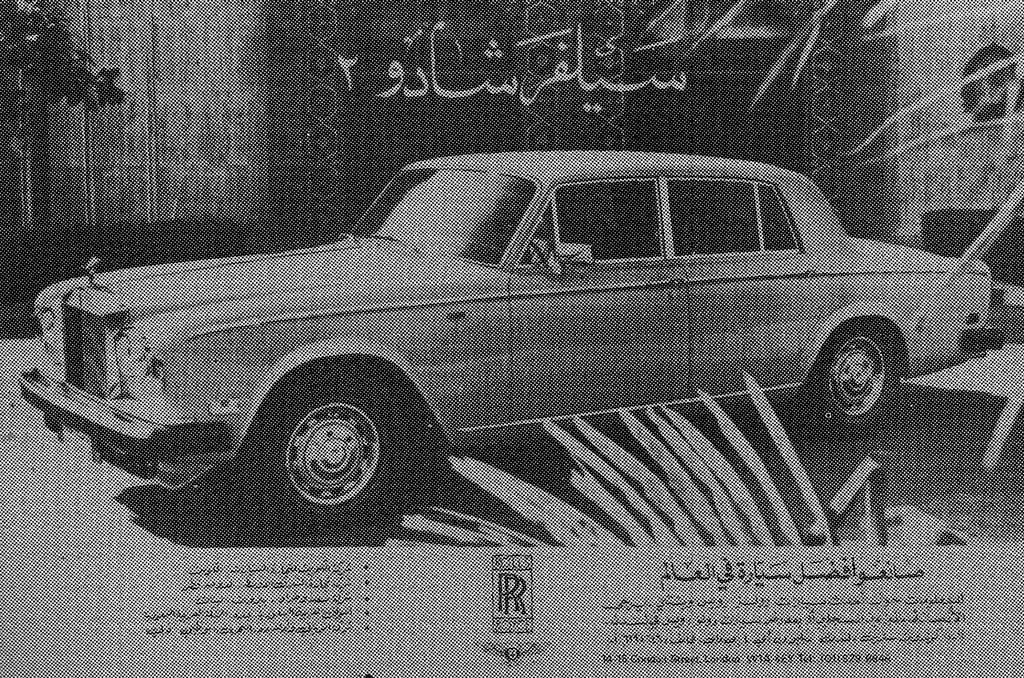
Rolls Royce Silver Shadow 2
After a reasonably successful five years in business, I was hit by yet more disappointment. My partner admitted to a financial indiscretion involving himself and an employee of one of our larger clients. This prompted me to end the partnership and take overall control of the business. This event harmed my design business's turnover, and I desperately sought another revenue stream.
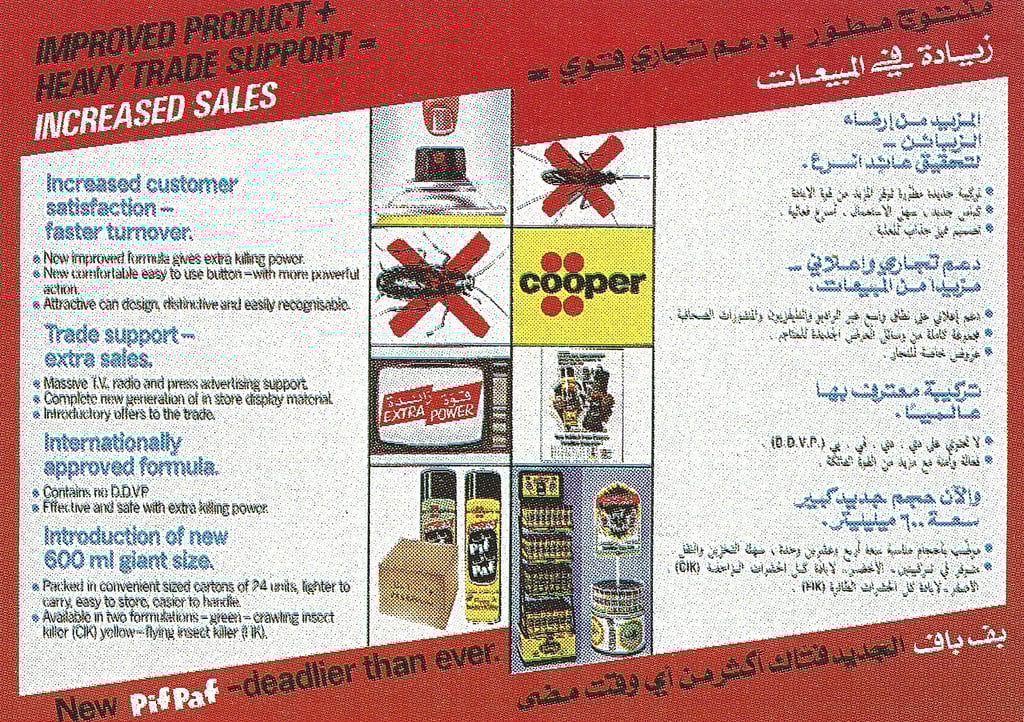
I contacted the son of my former Beirut-based employer, who, because of the civil war, had relocated his own business to Kuwait. I arranged a meeting in London, where we agreed to form a UK-based entity for his ad agency's operations. We put in equal amounts of start-up funding and registered MEANS UK Ltd, the name being an acronym for Middle East Advertising Network Services. I began by expanding our West End London premises, completing a full modern refurbishment. At the time, I was aware that the Wellcome Foundation had huge business in the Middle East, concentrated mainly on insecticides. I cold-called the marketing manager, making a verbal introduction and proposal. On receiving a positive first reaction, I was asked to make a creative pitch for their insecticide brand Pif Paf. I worked with a copywriter friend on the pitch and had my studio staff handle all the creative work, including TV storyboards, press ads, direct mail, point-of-sale materials and trade support. (Examples below)
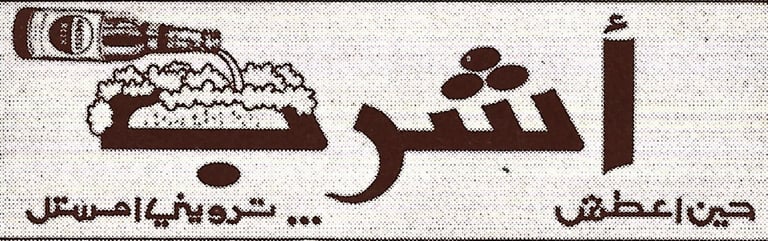
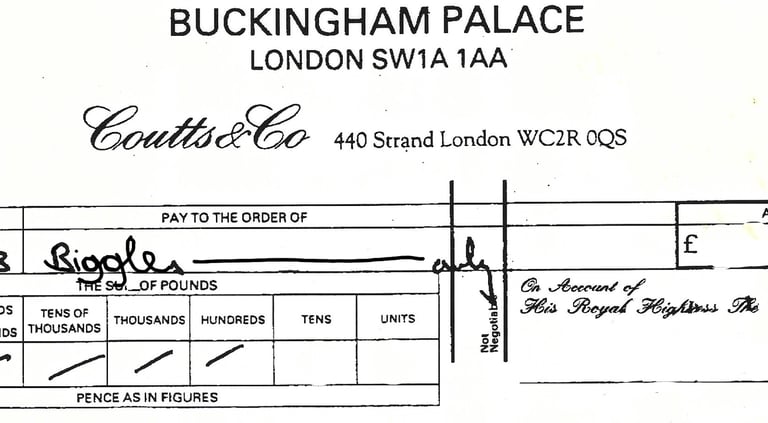
Things couldn't get worse with the news that my office assistant had been shot and severely wounded. A few days later, a friend and I were apprehended in a hotel bar by Kalashnikov-wielding men wearing hooded kafir's. We were forced into a jeep with a manned machine gun mounted at the rear. My passport and a precious ring that a silversmith friend had made as a parting gift were taken. We were then driven out of Beirut to be put through a horrifying mock execution exercise, before they left us frozen to the spot, and finally sped away. I decided then it was time to quit Beirut and arranged to collect a new passport from the British Embassy. My business partner lived across the green line, so I informed him of my intentions and left a signed bank cheque for him to countersign to bring funds to London, where I'd thought we might operate for the interim. Unfortunately, he got the cash to London and put it in his personal account. I was left completely penniless and had to rely on friends' generosity. The MEA ad below was quite prophetic, as it was the last ad I designed and shot for Middle East Airlines before my own final departure.
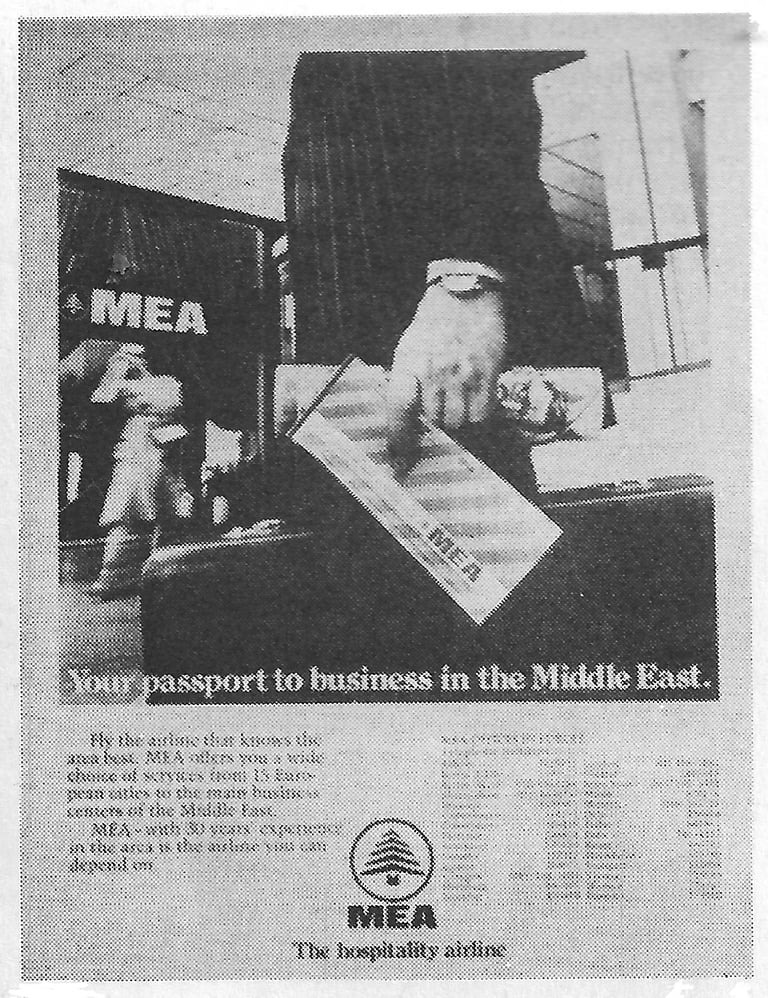
After gaining the Wellcome business, I also produced launch TV commercials for the Pif Paf main insecticide brand. Concurrently, I made commercials for a major Kuwait bank and Pumbrose (Halal) sausages. My newly expanded premises and design studio continued to provide support to the new agency entity. Our client gain was rapid, so I worked full-time within the Agency as both managing and creative director, and initially, we had no client-handling executive.
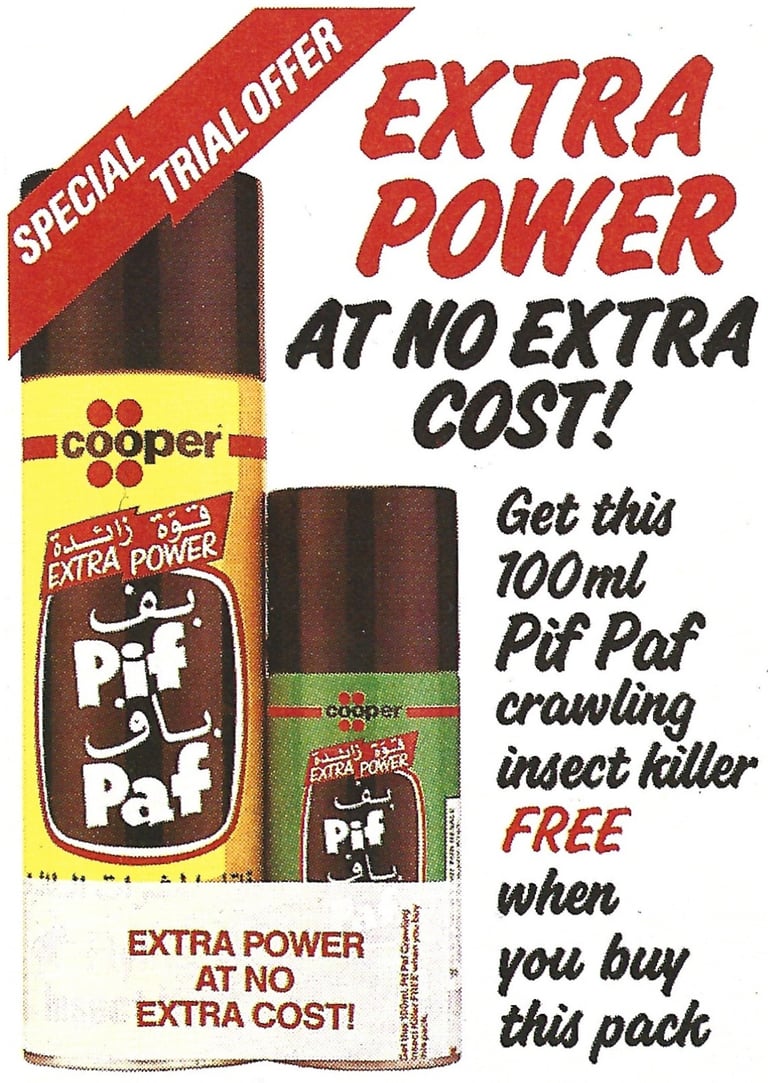
I was contacted by one of my design studio clients, who suggested I pitch for the Ross Frozen Foods business, to which I eagerly agreed. I worked with a copywriter friend who wrote the jingle, and we selected Lamberts to shoot the commercial. See the clip.
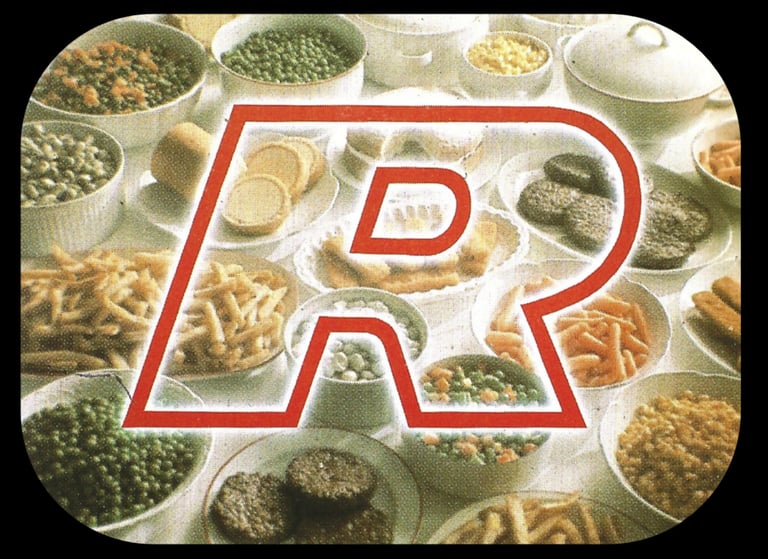
Ross are ready, good and ready for you
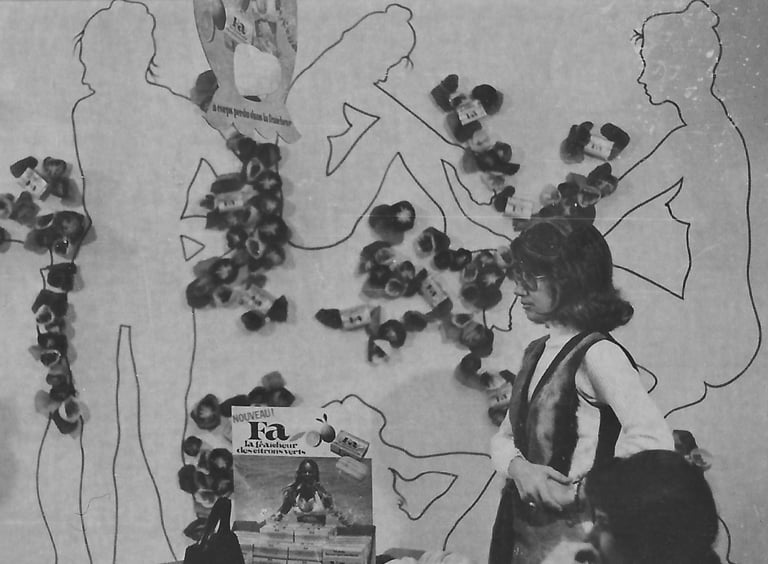
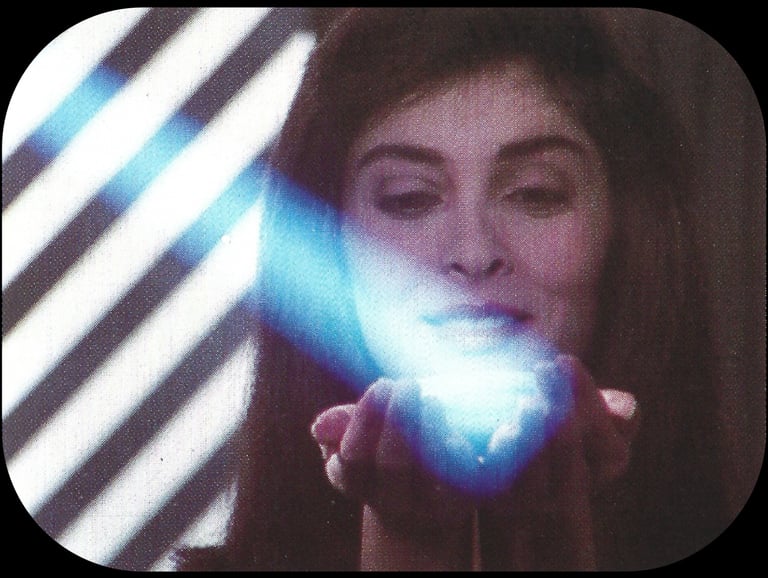
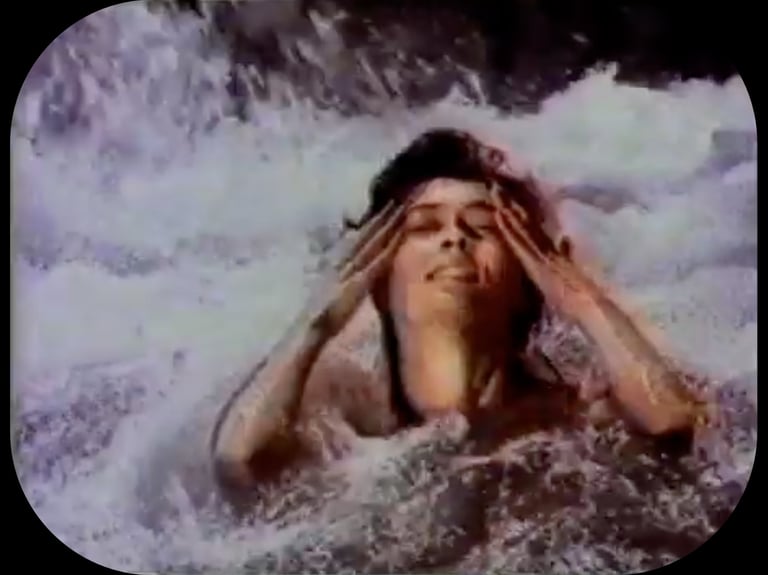
Paradoxically, in Beirut a decade earlier, I had designed an exhibition stand for Henkels Fa soap brand (see photo). Over a decade later, I was asked to pitch a TV storyboard for the same brand. The concept was to be adaptable across three product lines: Fa soap, deodorant, and shampoo. After numerous trips to Düsseldorf, a storyboard was agreed upon, and we filmed at Dunn's River Falls in Jamaica. Again, using Lamberts, we shot on 35mm film rather than digital for the very best image quality, and the fee was a record for commercials in this market.
After about a year, the relaunch campaign for our Pif Paf product had clearly run its course, and we were asked to create three 15-second commercials for the main brand and one for a powder product (see below). In those days, a creative guy in the Middle East, and most certainly in my case, was an all-round concept man, meaning art director and copywriter. These commercials were aggressive in tone and used the same strap line we had established in the launch commercial. My selected production company was Sinclair Associates, the same people I used for the launch commercials.


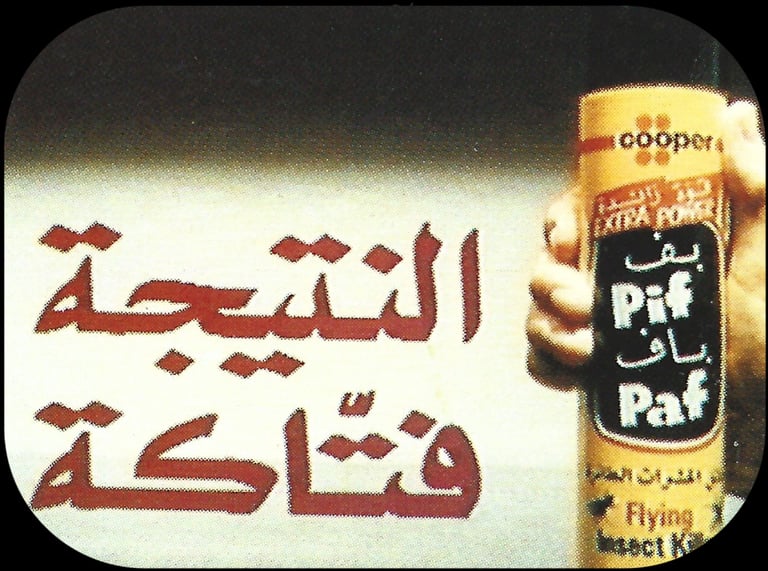
We used close-ups of a roaring tiger, a shark's jaws, and a striking cobra to convey, through visual metaphors, the effect of a mosquito bite. With the tag line, The Effect is Deadly.
Production: Sinclair Associates
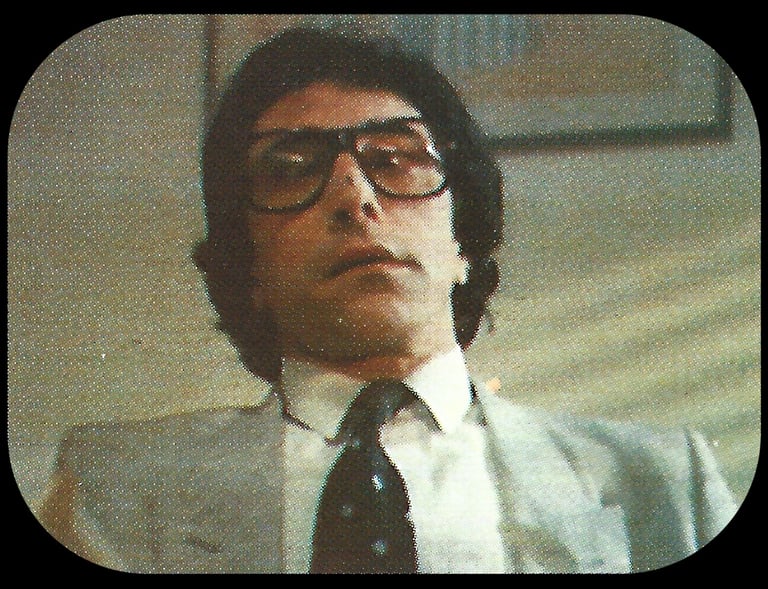
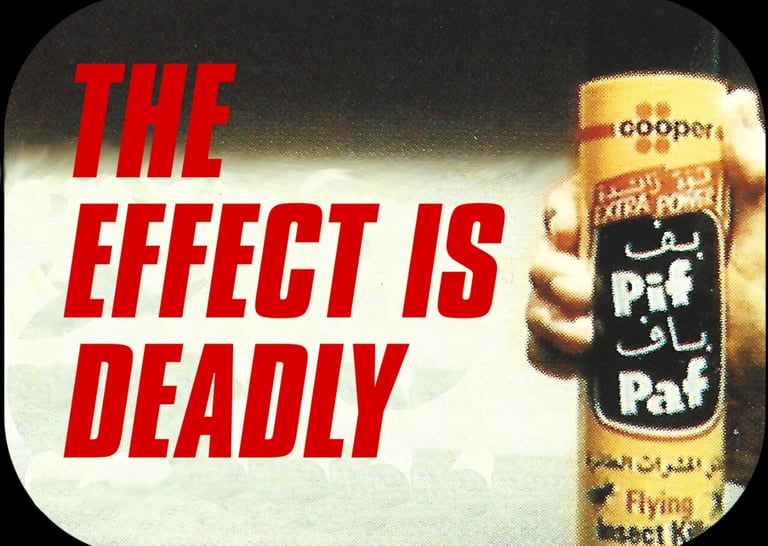
We used a comical take on an office worker being bugged by a fly as he desperately tries to squat it and fails. Pif Paf comes to the rescue; The Effect is Deadly.
Production: Sinclair Associates
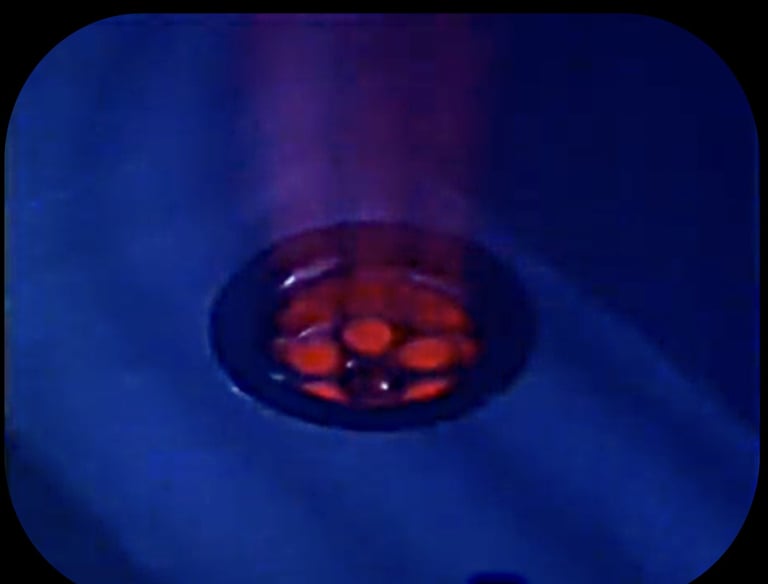
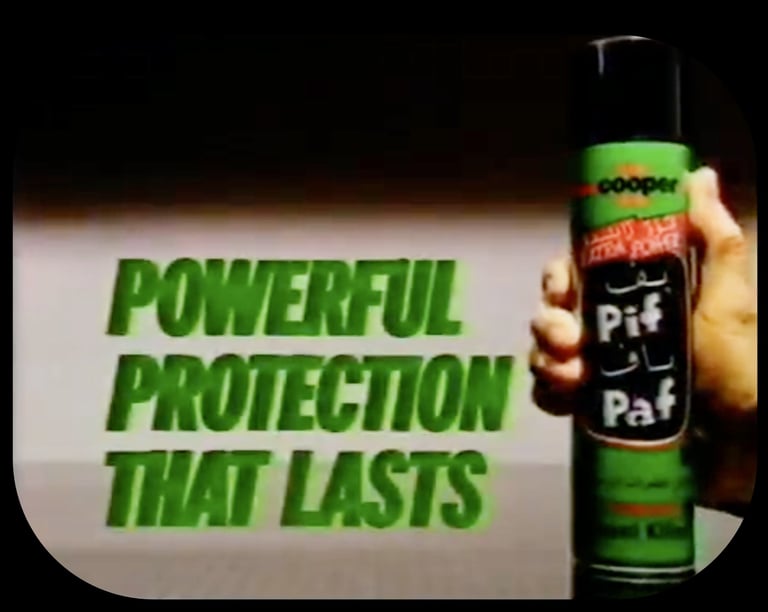
We took a cinematic tour of areas of the home vulnerable to cockroach infestations, including a run with the camera lens through a drainage pipe, ending with a radiating red for danger, as illustrated here. Production: Sinclair Associates
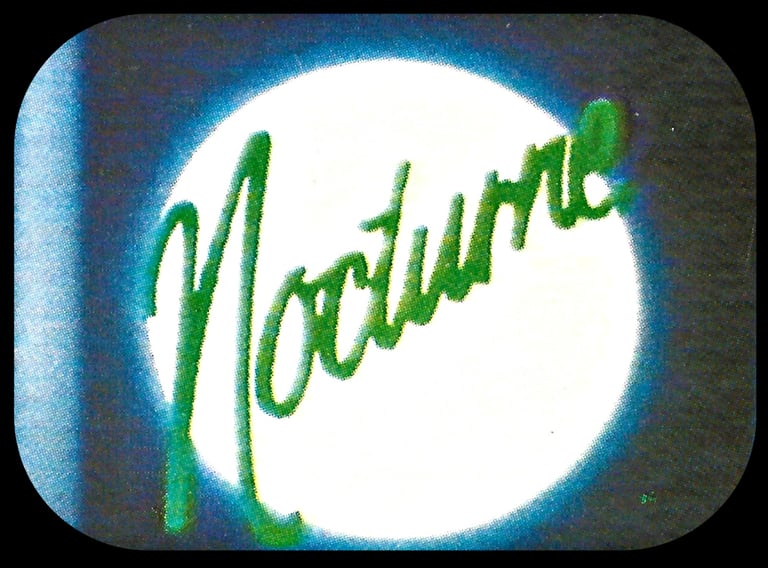
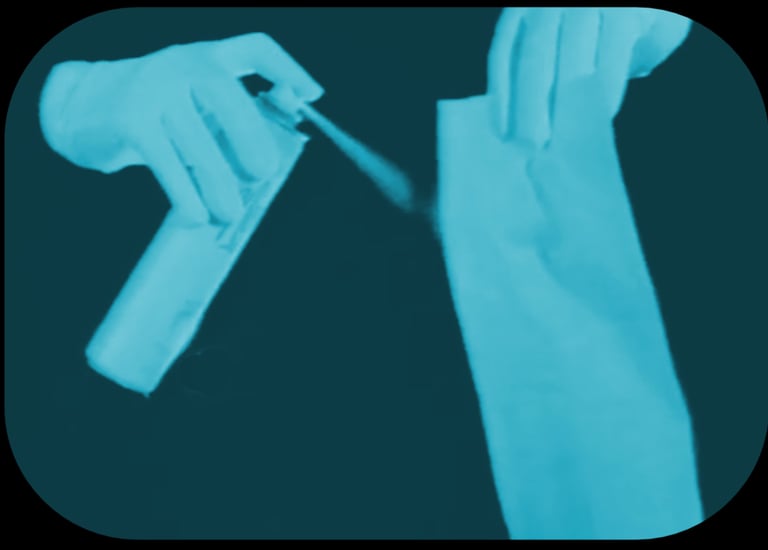
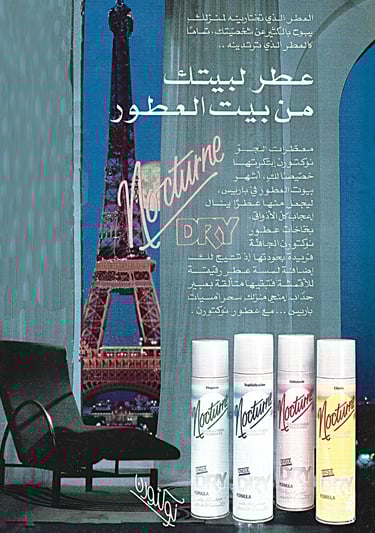
Nocturne fabric freshener. Sinclaire Associates
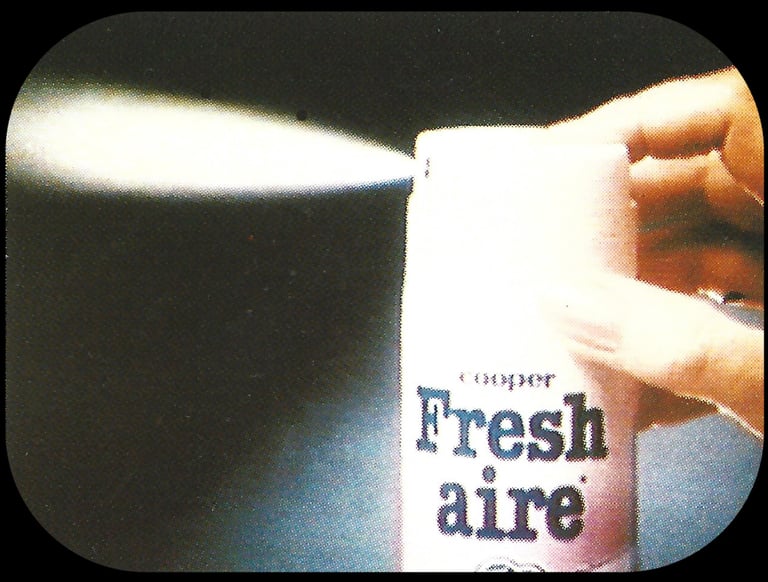
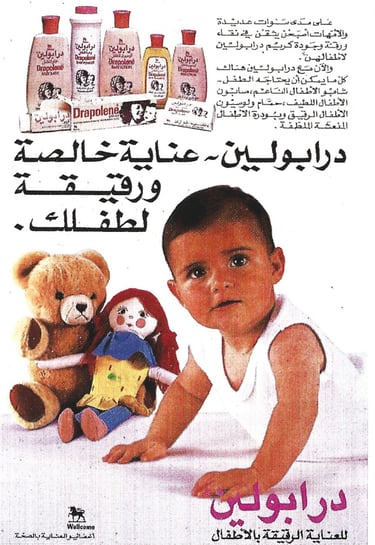
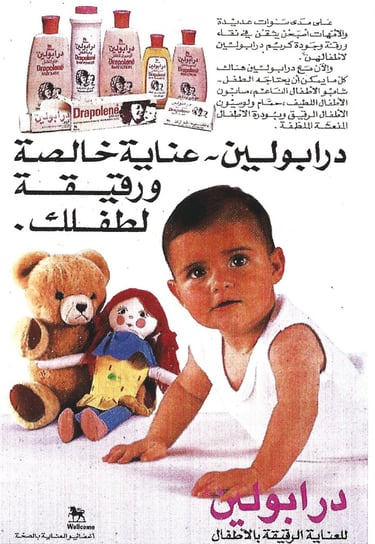
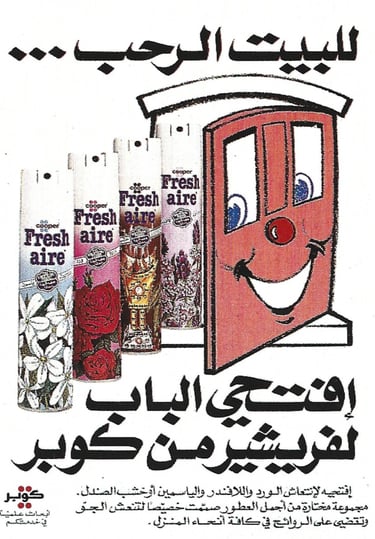
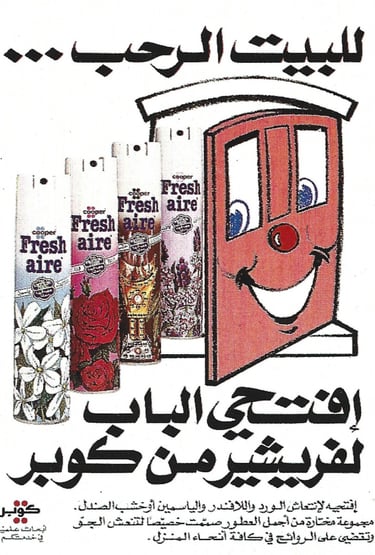
Fresh aire. Orchid Productions
Drapolene baby lotion, Nocturne and Freshaire press ads - Wellcome Foundation
Next on the agenda, I was informed that we'd taken an interest in a Cairo agency and purchased the JWT offices in Dubai. I promptly relocated to the Sheraton hotel for a week to meet the local staff and was briefed on a Red Label tea commercial. From concept to production, this commercial took over one year. For economic reasons, it was mostly shot in Cairo and was problematic from the outset - another story.
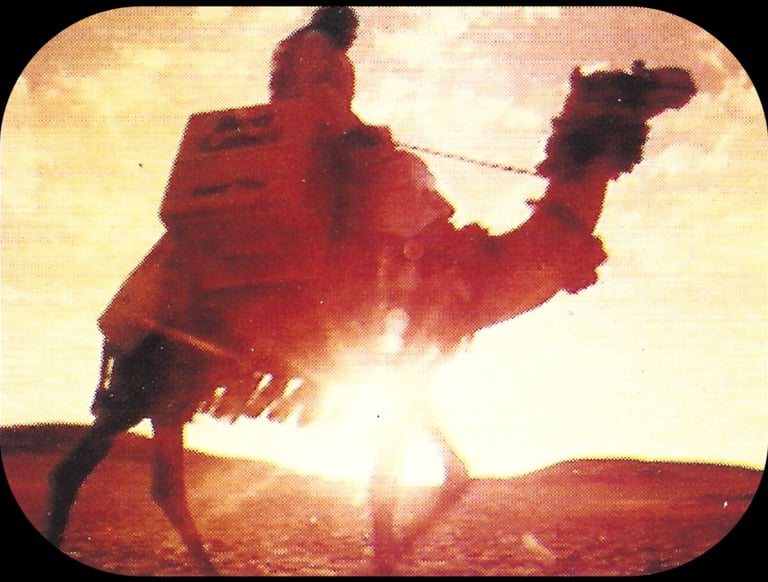
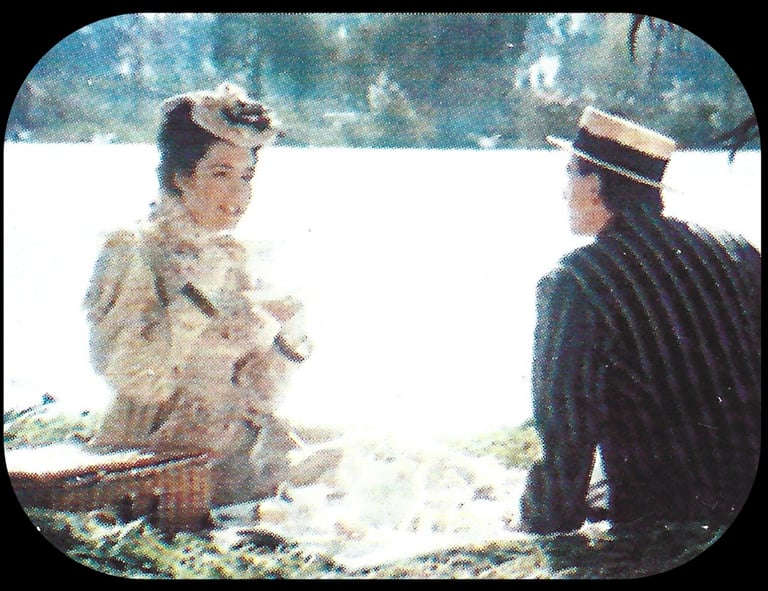
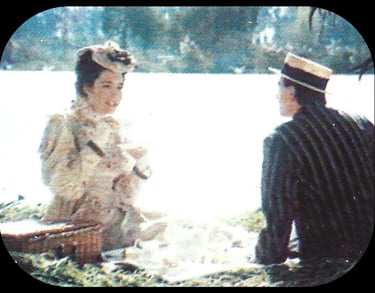
Conceptually, I created a historical narrative from the harvesting of tea leaves in India, through transportation via camel caravan, to a quaint Victorian picnic, and culminating in an afternoon tea setting within a sleek modern Arab residence, encapsulated by the line, "The timeless taste of original tea." ProductionCompany; Orchid
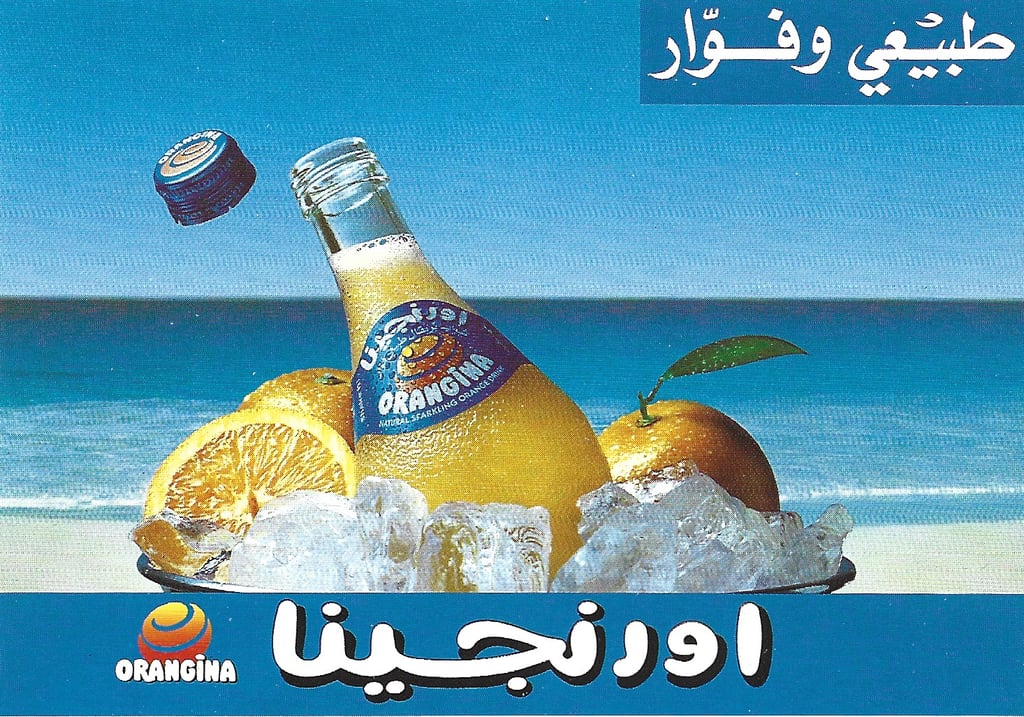
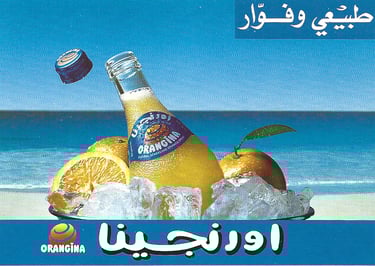
A juicy but nonetheless problematic little number.
This TV production was arduous from beginning to end. Our Cairo office managed to find a location just short of derelict. With my production company and cast flying in from Manchester, we were left to clean up the site as best we could and shoot with extremely narrow angles. The accommodation and catering were abysmal, resulting in the crew and cast getting severely sick.
Eventually, I had to face the music, and it was in our new Jeddah office for a meeting with our Orangina client, which, of course, was a car crash. Having seen the rough cut, he rejected the commercial out of hand and demanded a reshoot. It was about this time that I began to despair of the agency's direction, and I was not overly impressed with the Jeddah operation. On the Orangina front, a complete re-shoot was organised at a four-star location near Giza, and we recovered costs by shooting two commercials with the same production company.
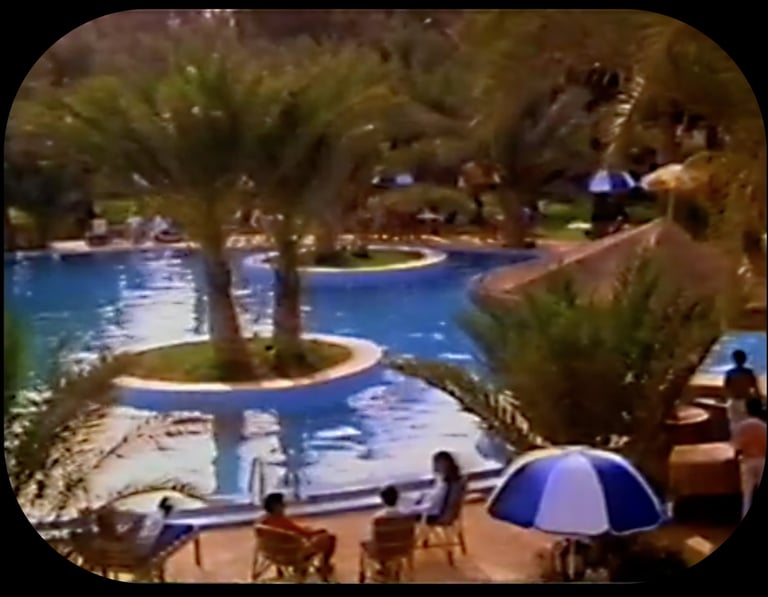
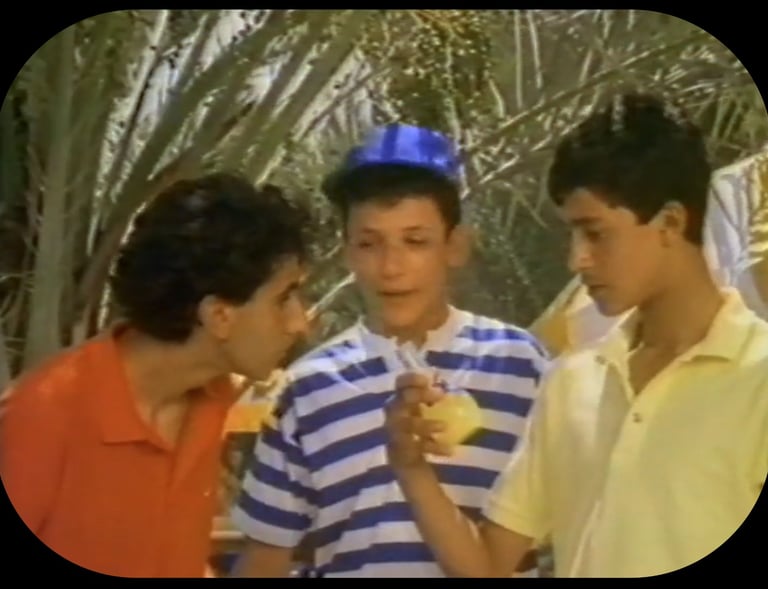
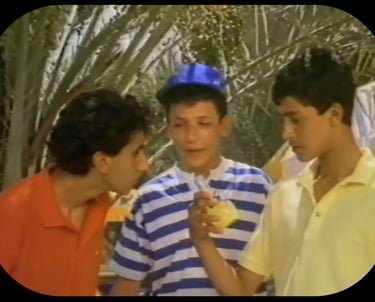
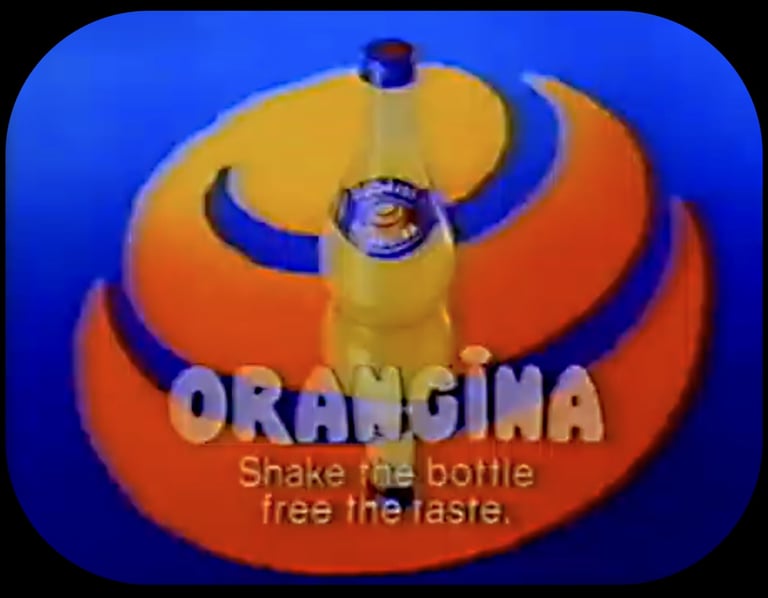
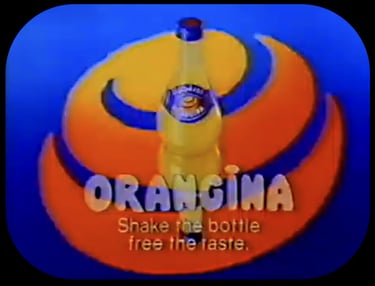
After the shoot, I decided to spend a few days at The Mena House, situated near the Giza Pyramids. It was while taking supper in the restaurant that a somewhat inebriated Omar Sheriff appeared at my table, had a few brief words and proceeded to the small makeshift stage to entertain us with a ten-minute Oscar-worthy music and dance performance, which alone more than made up for the grief we'd experienced producing the Orangina commercial. Production Company: Orchid
In the interim, we attended a conference in Cairo, and I was informed we were considering a merger with a large Saudi Arabian ad agency. In due course, the deal was completed, and we attended a traditional Majlis in Jeddah with all key personnel.
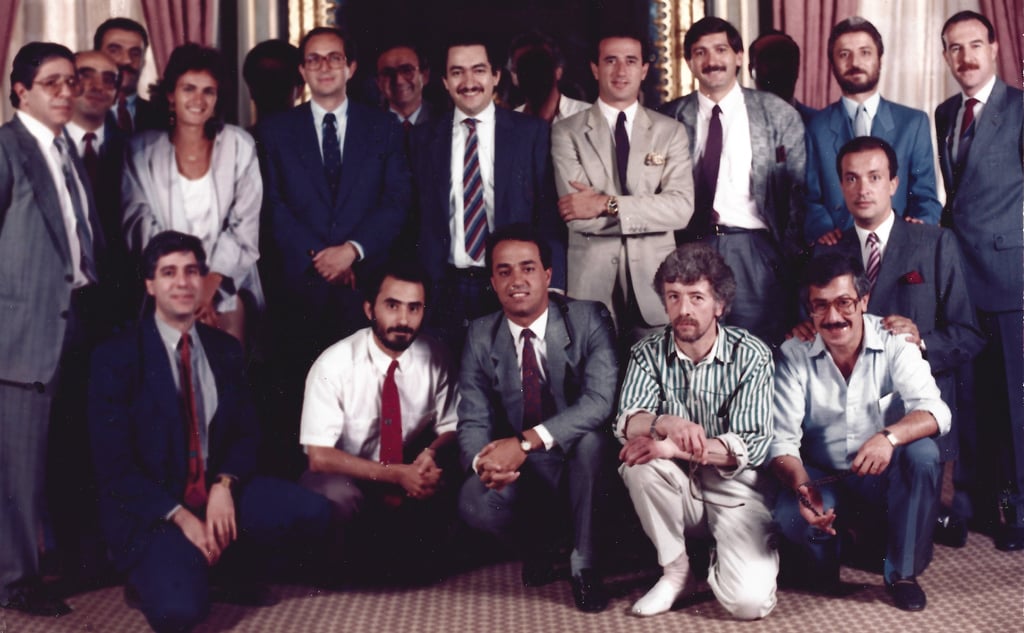
Eventually, we moved to smart, new offices, and I was accommodated at the Jeddah Sofitel Hotel, but by this time, the personal privations, the lack of a social life, and general professional disillusionment led me to resign from the agency. I reclaimed possession of my UK offices, took a paltry severance payment and sought pastures new, as totally disconnected from the advertising industry as possible.
I employed an English creative director for our Jeddah office who jumped ship only weeks into his contract. So, alas, and contrary to my better judgment, I was persuaded to make the move to Jeddah and head their "creative department". It quickly became apparent to me why he had terminated his contract. The office premises were shoddy, and initially, I was given substandard accommodation, and my financial package was not adhered to. So when promises are broken, trust is lost. I was fighting pitched battles with senior account handlers, which made for a toxic work environment.
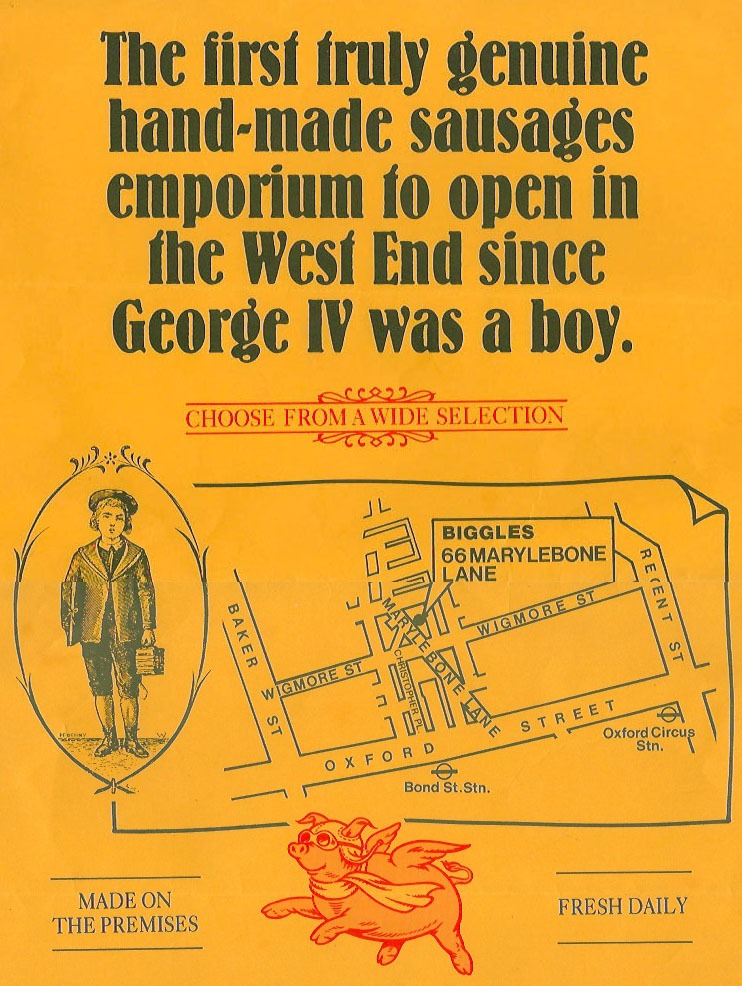

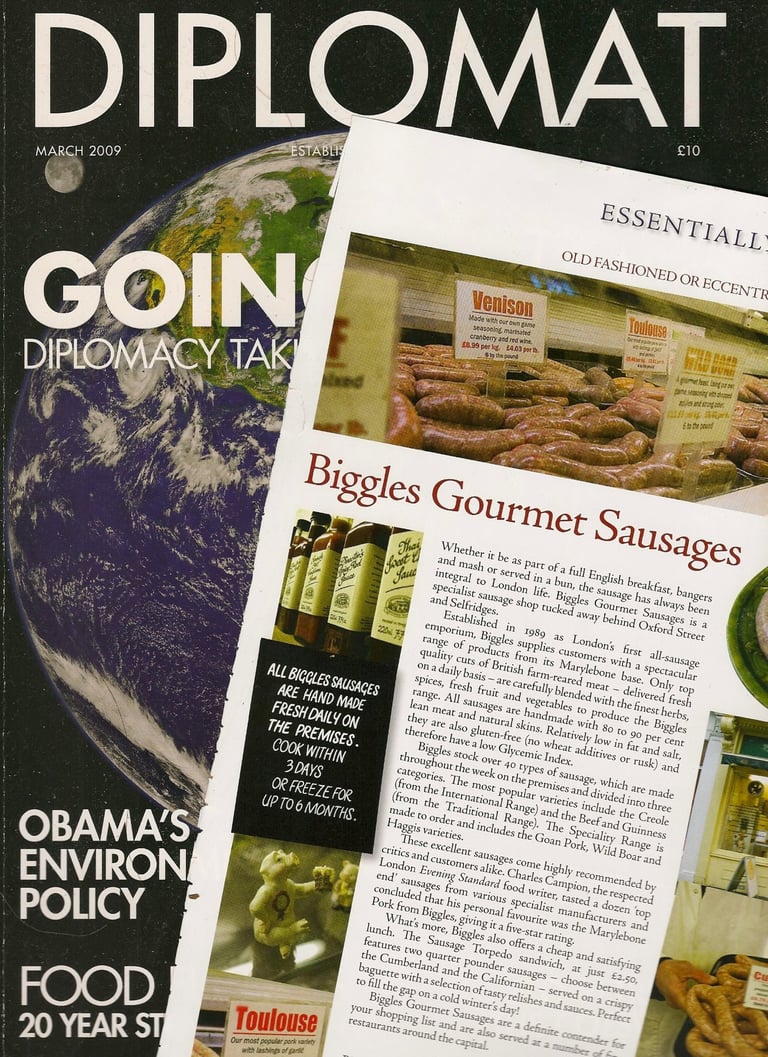
First cover proposal (In colour crayon)
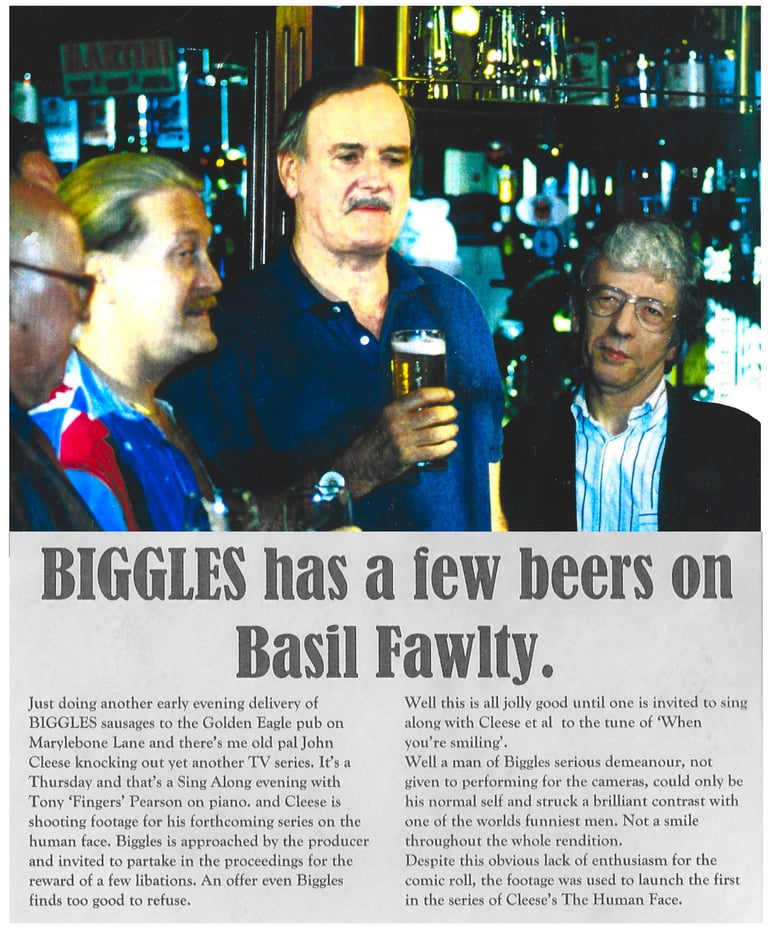
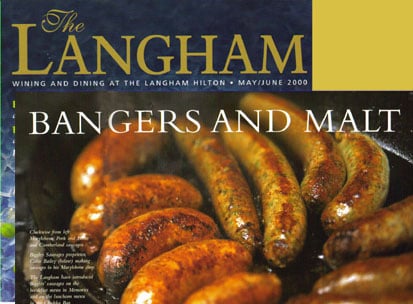
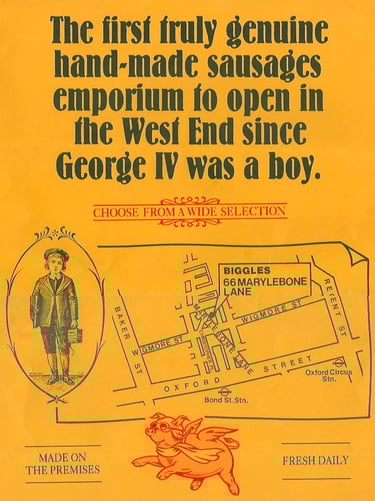
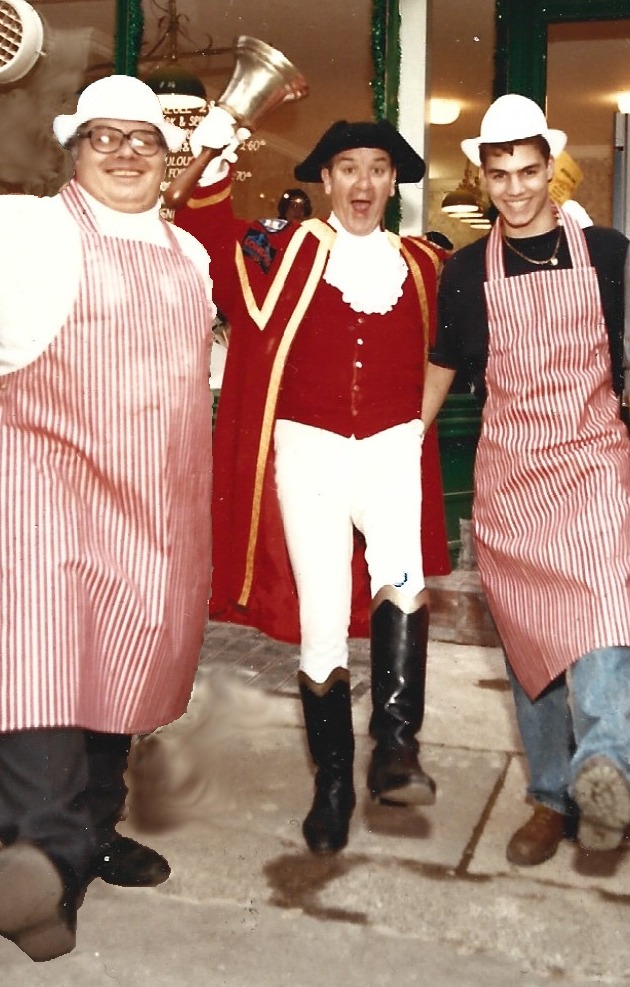
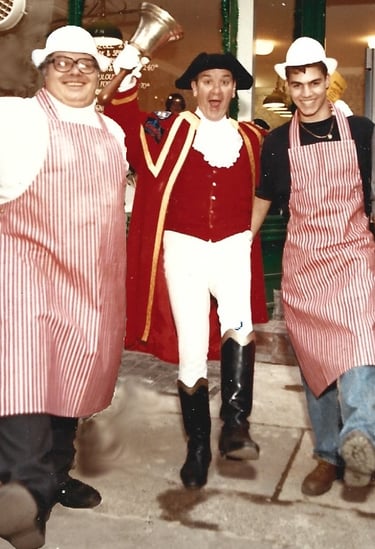
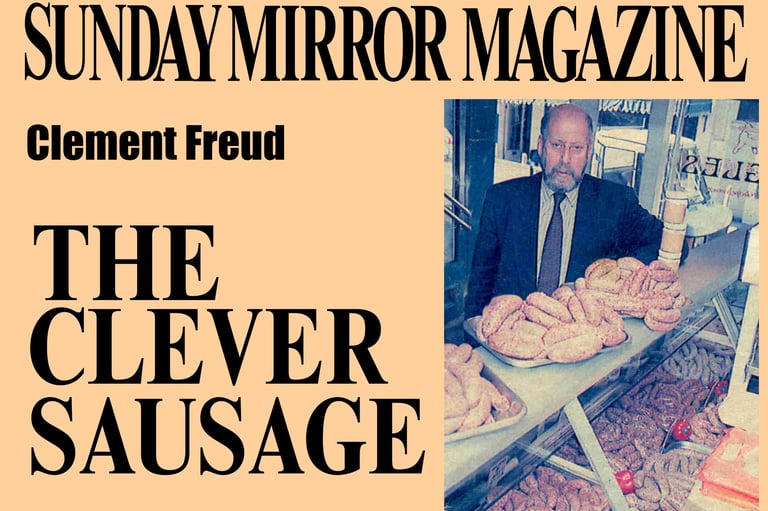
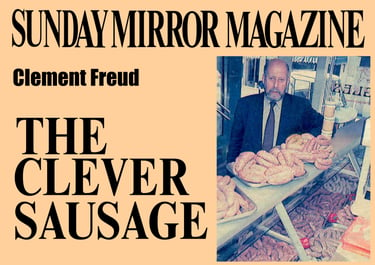
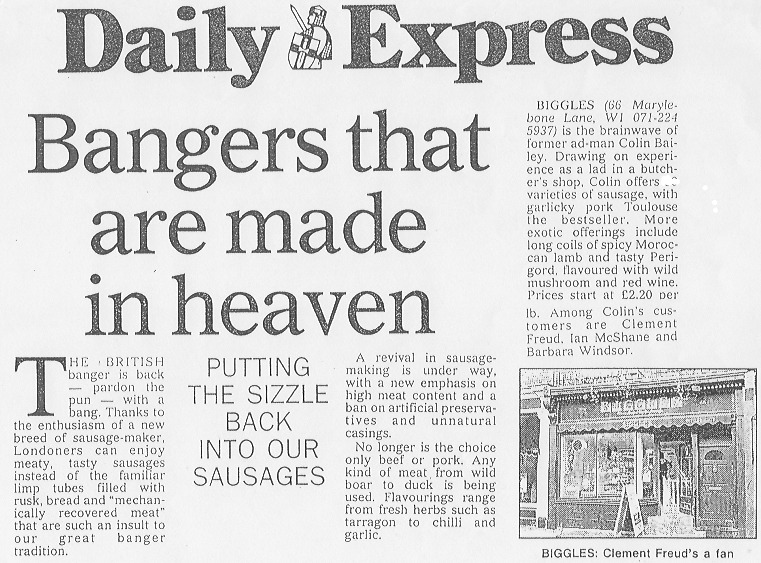
After a long and successful run trading as Biggles Gourmet Sausages from the Village of Marylebone, I sadly had to say goodbye to a host of wonderful, committed customers, including quite a few celebs. Whilst on the subject of celebs, on the last day of opening and minutes before locking the door for the final time, I had to turn away my very last customer as there wasn't a sausage in the house. After asking if we were going to reopen elsewhere, I told Mr Mandelson that I was calling it a day.
Open door diplomacy
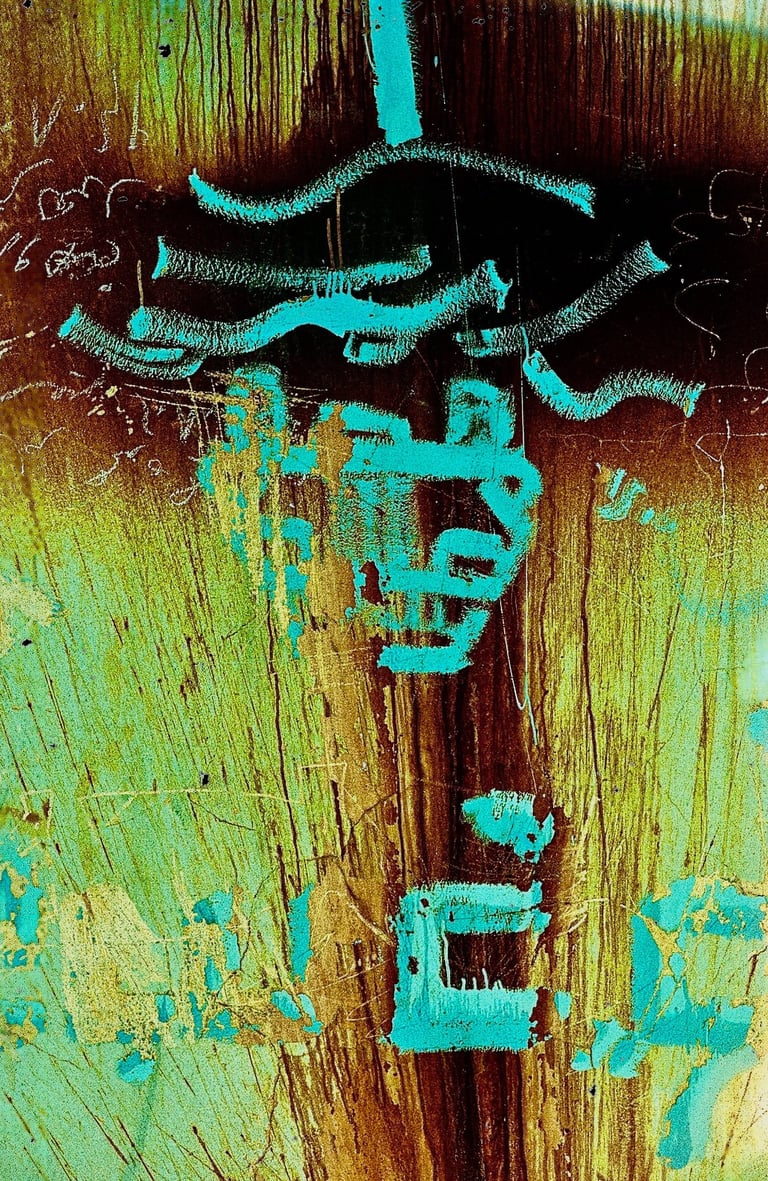
Garden of Eden graffiti
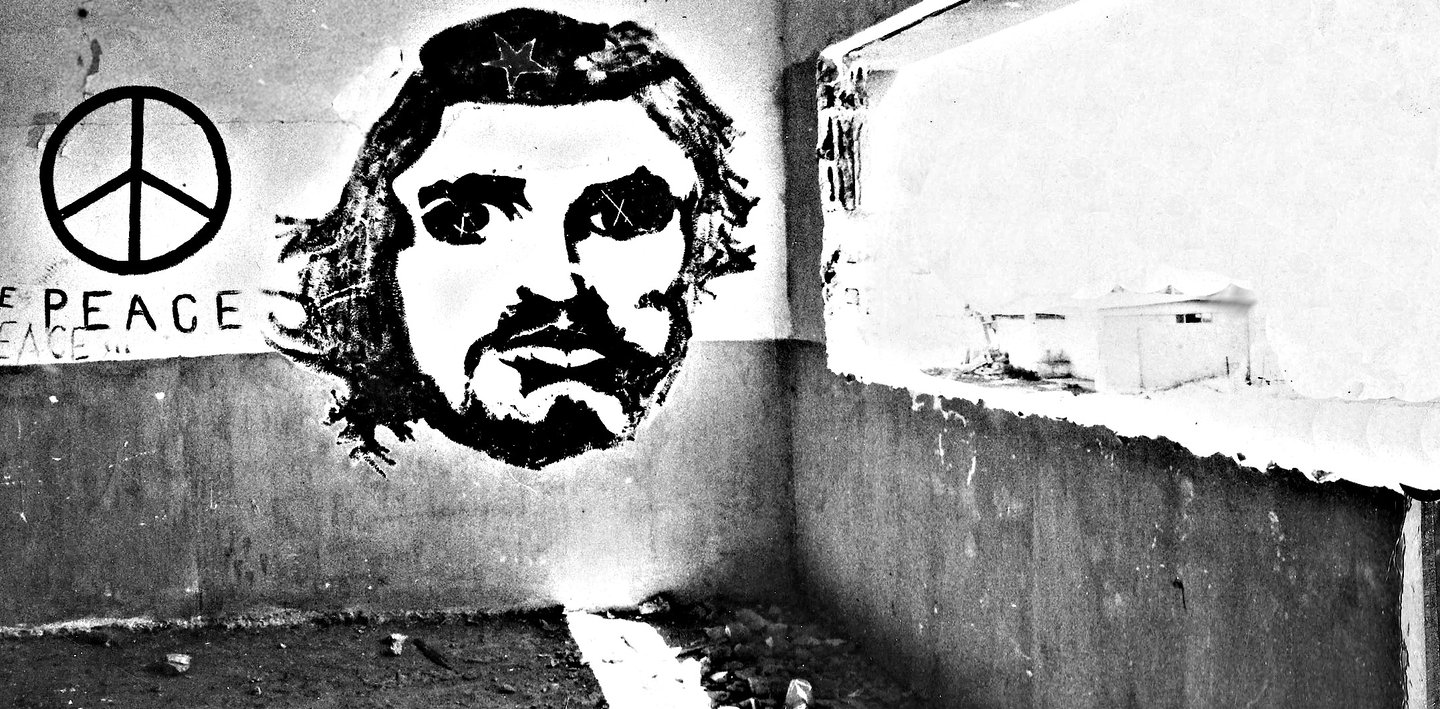
IDF graffiti - Presumably Che
Oil spill
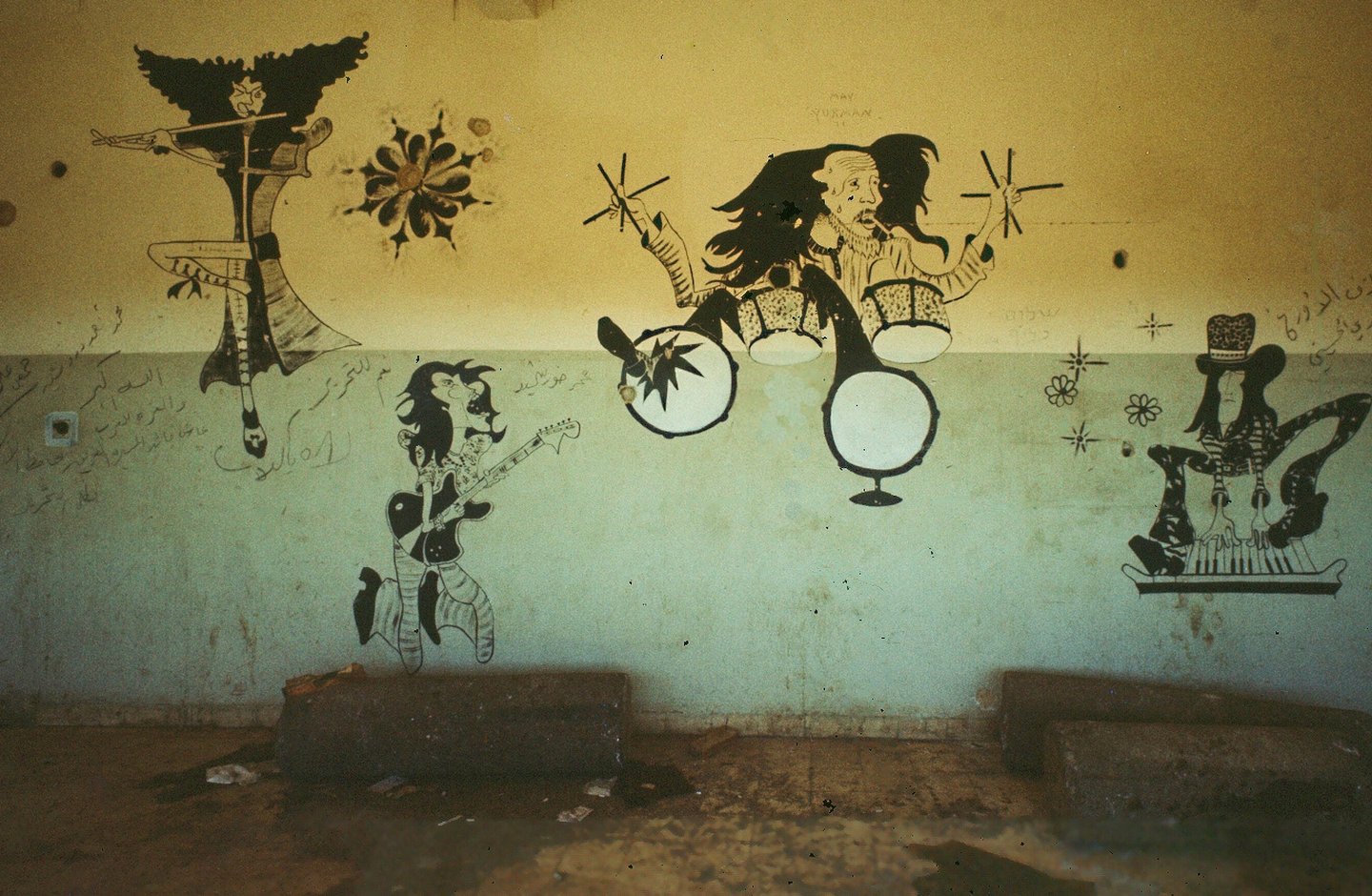
IDF graffiti - Jethro Tull, Bill Wyman, Ginger Baker, Manfred Mann
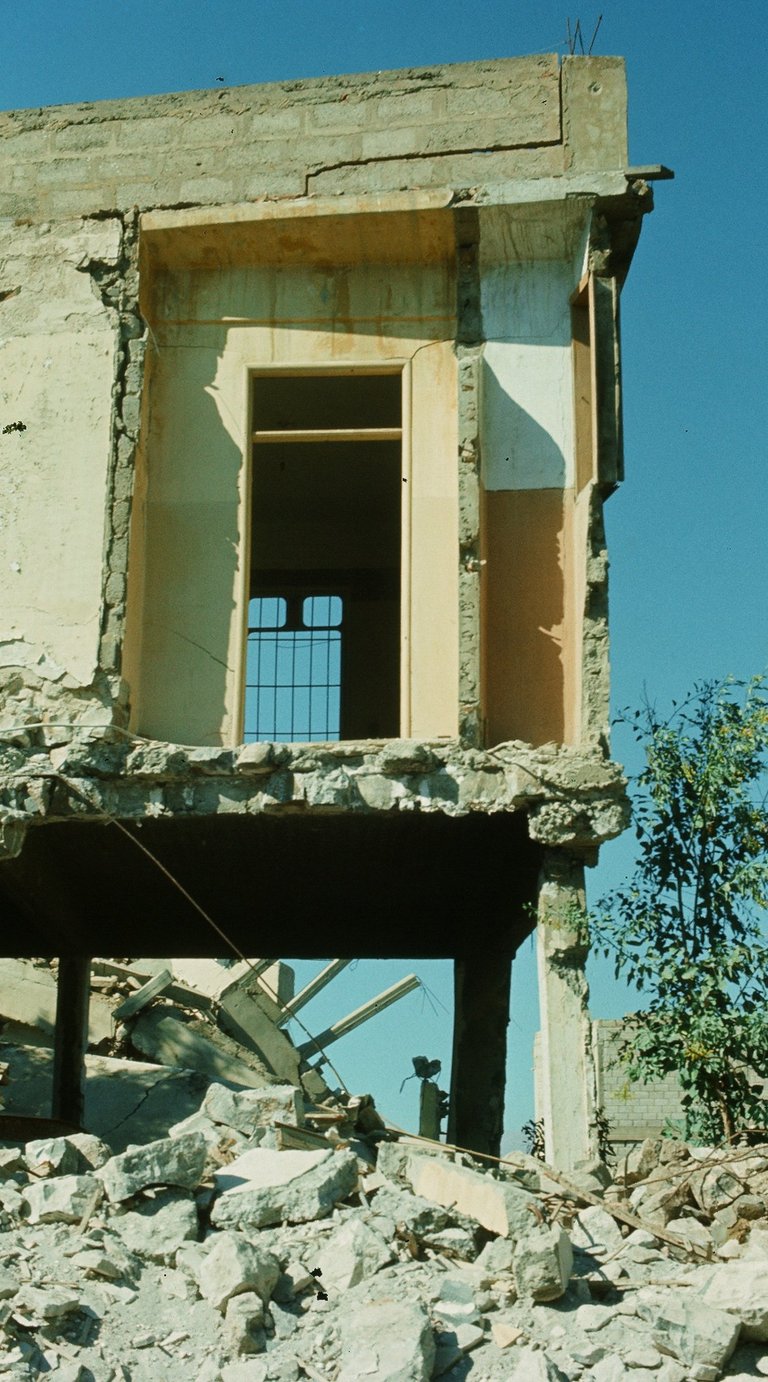
A window on wanton destruction
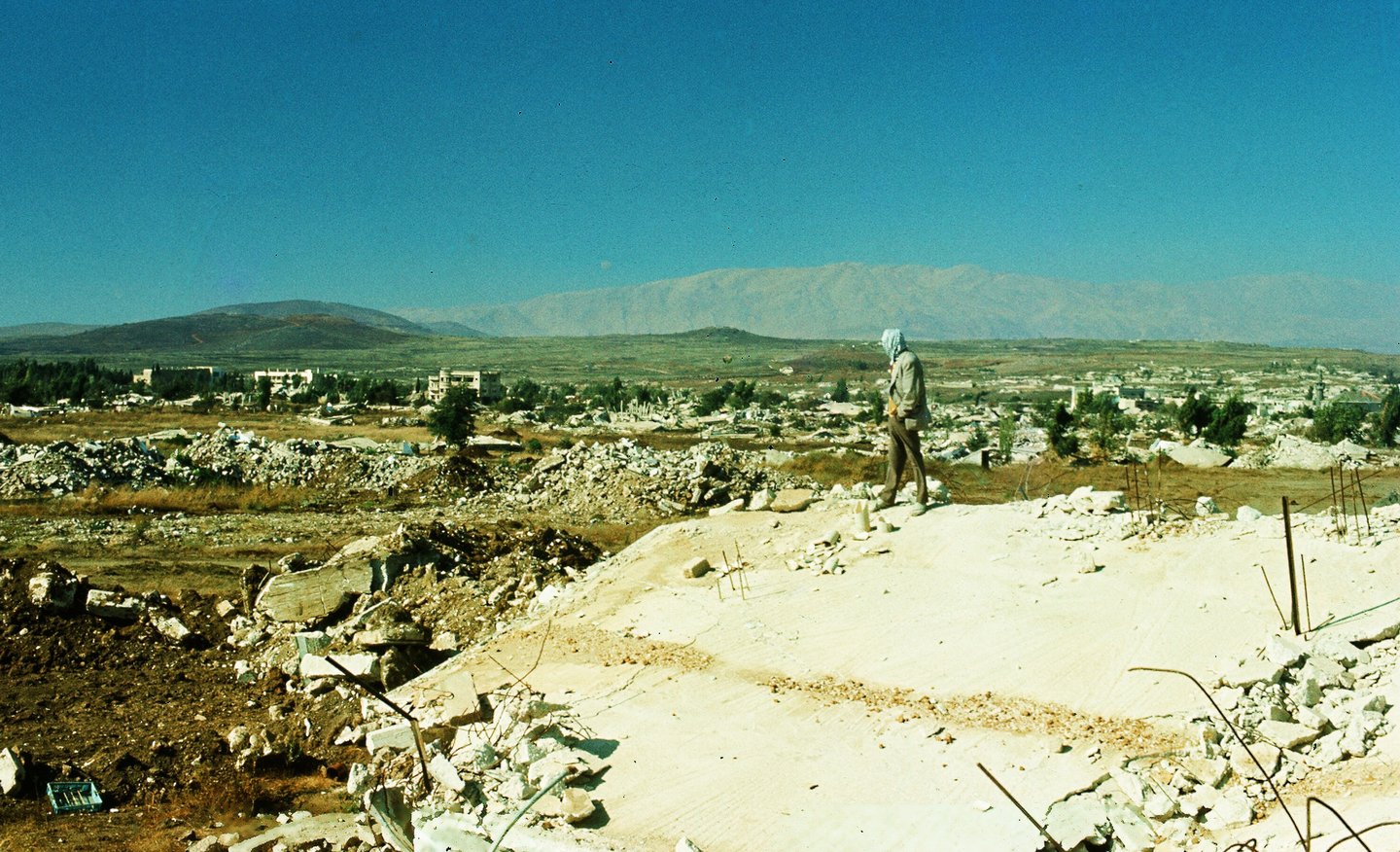
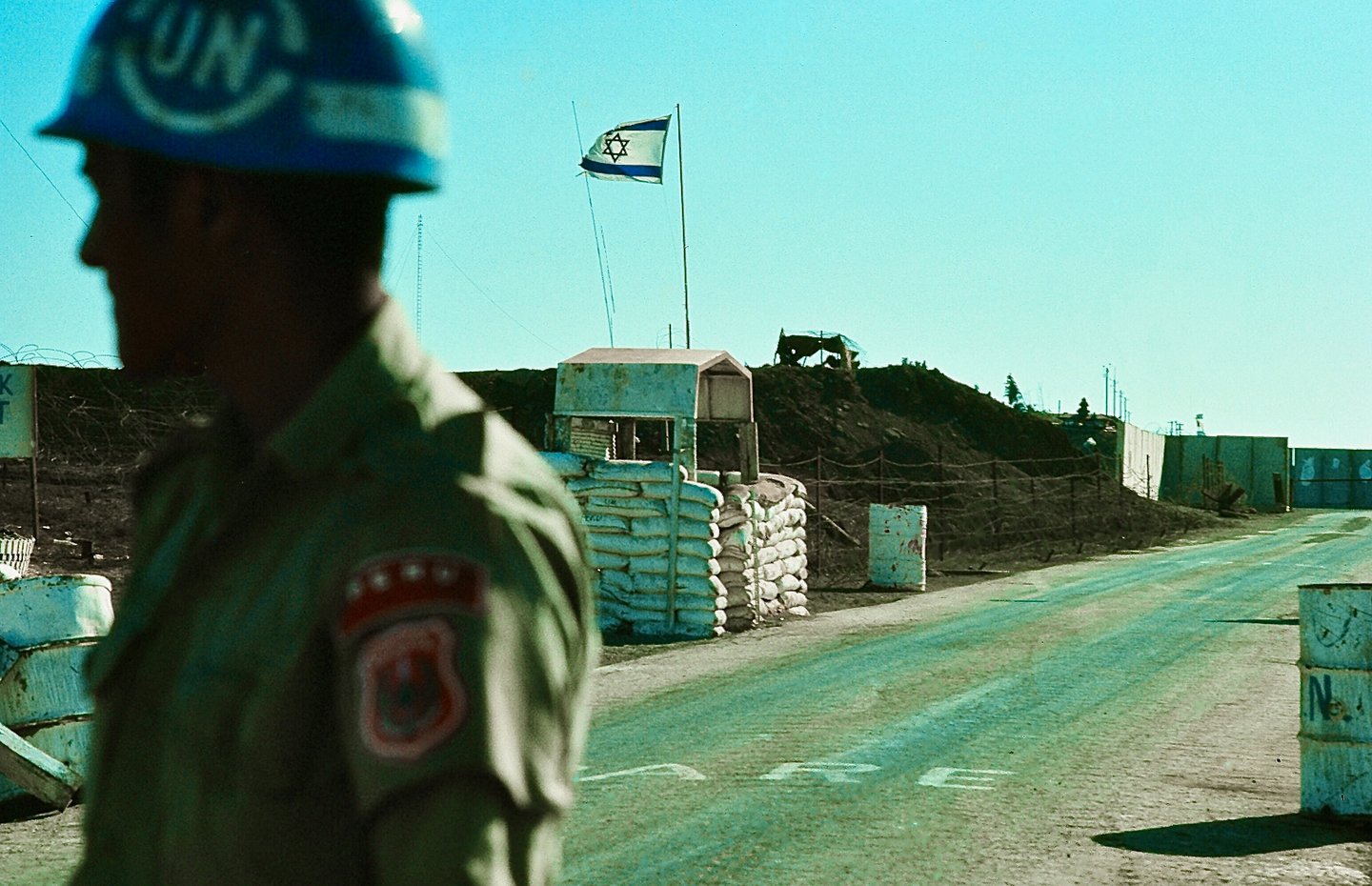
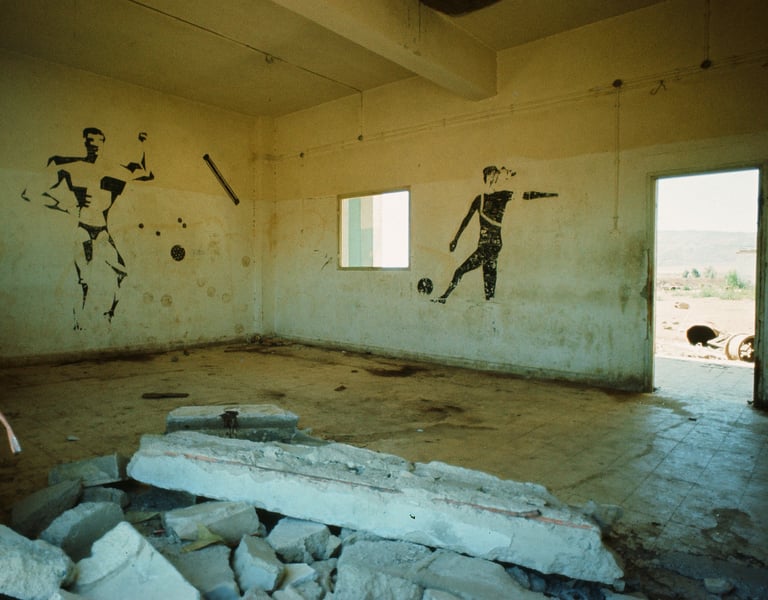
Quneitra in southern Syria was occupied by Israeli forces from 1967 until 1974. Prior to the invasion, the city was the thriving market centre for that area called the Golan, and home to some 53,000 persons who were both Christian and Muslim. On June 26th 1974, after complicated peace negotiations, Syrian civil authorities and United Nations Emergency Forces entered Quneitra immediately after Israeli withdrawal. They found Quneitra raised to the ground and completely depopulated. Israel, at once, with their usual disregard for the truth, officially stated that the destruction was through Syrian military action. Subsequent eyewitness accounts, written and filmed evidence, irrevocably proved those statements to be completely false. With comprehensive news and documentary film coverage, the city became famous, or rather infamous, as a complete example of the well-practised Israeli technique of occupation, or euphemistically referred to as 'creation of facts'. It took over a year for Prime Minister Yitzak Rabin to tacitly admit (6/9/75 Israel State Radio) that Israel was responsible for the deliberate destruction of Quneitra before its withdrawal. Since 1948, Israel has razed at least 400 towns, villages and hamlets in Palestine and Syria, causing untold misery. I was one of the very few allowed into the desecrated city very soon after Israel's departure. Some fifty years on, and Israel remains the expansionist, obdurate, destructive regime it has always been.
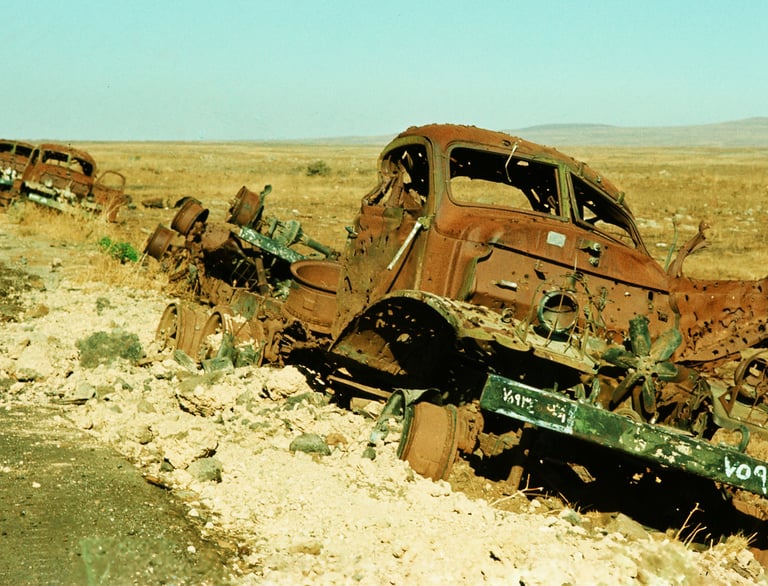
Rustic remains
Footie
Rehearsal for Gaza - Five decades earlier